

Why Are More Mice Appearing in Oakville, Burlington, Milton, and Hamilton Neighborhoods?
The Problem: Increased Mouse Activity in Southern Ontario
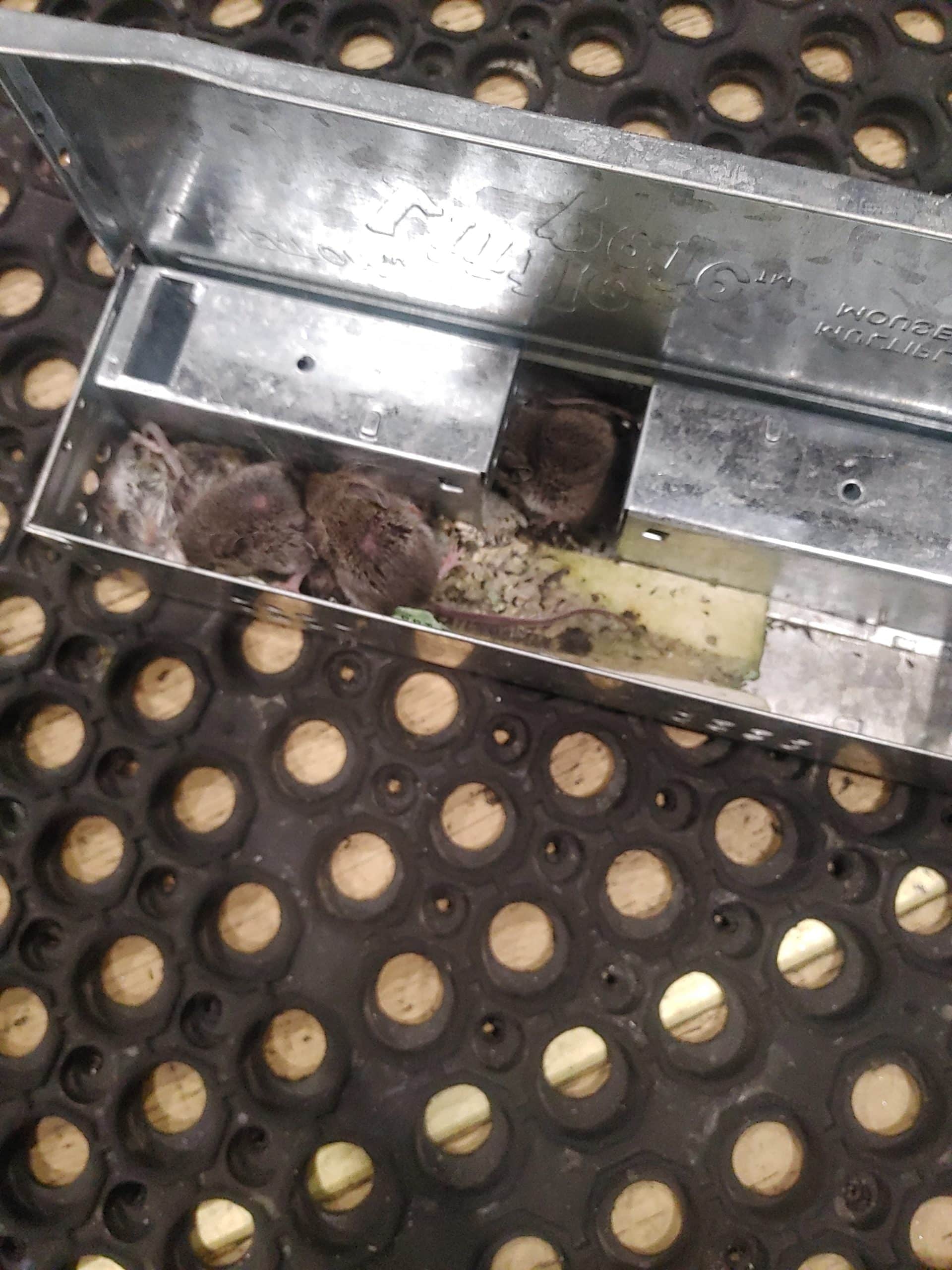
Residents of southern Ontario are noticing an increase in mice in their communities (e.g., Morrison, Falgarwood) and across the Oakville, Milton, Hamilton Mountain, and Burlington regions. Mice have historically invaded kitchens, basement apartments, and garages, and in the past few months, this trend has escalated much more.
Many residents are concerned about the rising mouse activity and are taking preventive measures to address this issue.
You may be wondering what is causing all the activity lately and if this spike is a sign of more problems to come! In this article we will answer these most asked questions and provide better explanations on the reasons for the influx of these critters.
This article will explore the causes of increased mouse activity and offer insights into effective control strategies.
Where mice are appearing most:
- Inside garages in Oakville and Burlington neighborhoods
- Basement apartments throughout southern Ontario
- Kitchens in Milton and Hamilton Mountain homes
- The trend has increased dramatically in recent months
1. Urbanization and a Decrease in Natural Green Space
Because of the fast changes of urban areas throughout Southern Ontario, including Falgarwood and Morrison in Oakville, Tansley and Palmer in Burlington, and Coates and Scott in Milton, as well as parts of Hamilton Mountain, some neighborhoods more than others are experiencing uptick levels of mouse sightings. Increased levels of mouse activity are due to urbanization.
High levels of mouse activity in Ontario are primarily due to urbanization and habitat disruption.
Urban sprawl has decreased the amount of natural green space near neighborhoods, thereby decreasing wildlife habitats in the area. Increased levels of new residential construction in these areas have displaced existing wildlife from their natural habitat, forcing them to either migrate to other areas, including urban areas, or to adapt to the new living conditions. Urbanization has created various new habitats for mice, including garages, basements, and kitchens.
The increased mouse activity in southern Ontario is evident as wildlife habitats are destroyed.
Therefore, the natural habitats that mice previously depended on for food and shelter were destroyed as a result of the removal of existing natural green spaces for new subdivisions. New residential developments, along with streets adjacent to these developments, have a high degree of disruption to the existing ecosystems.
This results in more sightings of mouse activity in Ontario homes and neighborhoods.
How urbanization increases mouse activity:
- Urban sprawl has decreased the amount of natural green space near neighborhoods
- New residential construction has displaced existing wildlife from their natural habitat
- Mice forced to migrate to urban areas or adapt to new living conditions
- Natural habitats mice previously depended on for food and shelter were destroyed
- Removal of existing natural green spaces for new subdivisions
- Urbanization has created a variety of new habitats for mice, including garages, basements and kitchens
- High degree of disruption to existing ecosystems
Affected neighborhoods:
- Falgarwood and Morrison in Oakville
- Tansley and Palmer in Burlington
- Coates and Scott in Milton
- Parts of Hamilton Mountain
2. Warmer Winters Due to Climate Change
Consequently, the warmer winters correlate with a surge in mouse activity in southern Ontario.
The evidence of this change is becoming clearer in these areas. More winters have been warmer than average for the past several decades. Rodent populations are increasing due to the warm weather available all year round, giving rodents more time to be active and get a head start on invading homes during the fall season.
Many homes, especially those constructed before World War II (Falgarwood and Palmer), have a higher number of rodent access points. What you will find is a crack: loose siding or gaps around foundations. A dime-sized opening is sufficient for a mouse to enter your dwelling!
These factors contribute to the alarming mouse activity in southern Ontario.
Easy access to nesting materials such as insulation from attics or crawl spaces allows them to set up shop right away! Other food sources include unsealed pet food in kitchen cupboards, birdseed in your garage, and compost bins in the yard. Cluttered and poorly maintained homes provide excellent hiding places for these animals, so anything you can do to eliminate clutter will help reduce entry points into your home.
Climate change impacts on mouse populations:
- More winters have been warmer than average for the past several decades
- Rodent populations are increasing due to the warm weather available year-round.
- Rodents have more time to be active year-round
- Get a head start on invading homes during the fall season
- Warmer conditions extend breeding and activity seasons
Entry points and access factors:

- Rodent access points can be found in higher quantity within many homes
- Homes built prior to World War II particularly vulnerable (Falgarwood and Palmer)
- A dime-sized opening is sufficient for a mouse to enter your dwelling
- Cracks, loose siding, or gaps around foundations provide access
- Easy access to nesting materials, such as insulation from attics or crawl spaces.
Available food sources:
- Unsealed pet food in kitchen cupboards
- Birdseed in your garage
- Compost bins in the yard
- Cluttered and poorly maintained homes provide excellent hiding places
3. Garbage Collection and Composting
The Ontario government wants people to use the provided green bins to compost. Additionally, curbside waste collection practices can lead to an increase in rodent activity. If waste collection is delayed, containers are not sealed, and if containers are overflowing, then that area becomes ideal feeding grounds. Because mice are opportunistic feeders, if they find food in an area once, they are likely to return, and they will bring their friends.
How composting attracts mice:
- Residents of the province of Ontario are encouraged to use the green bins for composting.
- In large yards like Morrison and Scott’s, the smell of compost is pretty strong.
- Mice and other pests can detect compost from a considerable distance.
- Green bins create concentrated food sources around homes.
Problems with waste collection:
- Curbside waste collection can lead to an increase in rodent activity.
- Delayed waste collection provides opportunities for feeding.
- When containers are left open, mice are attracted to attack.
- Overflowing containers create ideal feeding grounds.
- Opportunistic feeding is done by mice and rats.
- If food is found in an area once, mice are likely to come back, and they will bring their friends for an invasion.
4. Density and Proximity
Rodent populations in high-density areas such as Burlington and Hamilton Mountain tend to be greater because homes are closer together. Consequently, if one home has a rodent infestation, it will be very quick and easy for that infestation to spread throughout the entire area.
Mice utilize city utilities (fences, railways) to travel between residential units attached to each other and even below ground through the sewer systems connecting each townhome.
The new condo and townhome construction at Tansley especially has a higher risk of invasion. As the new construction shares structural components of the building, this creates pathways of entry that mice use to migrate from one dwelling to another without notice.
Due to the construction of new homes, the noise and construction movement create an effortless opportunity for mice that live nearby to invade the new townhomes and condos.
In addition, the construction of units creates dumpster and construction waste access points that attract mice into the area, and they may decide to inhabit the new construction.
Increased mouse activity can be observed during construction phases.
Why high-density areas have more mice:
- Rodent populations in high-density areas such as Burlington and Hamilton Mountain tend to be greater
- Homes are closer together allowing rapid spread
- If one home has a rodent infestation, it will be rapid and easy for that infestation to spread throughout the entire area
- Mice utilize city utilities (fences, railways) to travel between residential units
- Mice travel below ground through the sewer systems connecting each townhome.
New construction challenges:
- New Condo and townhome construction at Tansley especially have higher risk of invasion
- New construction shares structural components of the building
- This creates pathways of entry that mice use to migrate from one dwelling to another without notice
- Noise and construction movement creates an easy opportunity for mice that live nearby
- Construction of units creates dumpster and construction waste access points
- These attract mice into the area and they may decide to inhabit the new construction
5. Suburban Communities’ Development
There is a lack of naturally occurring rodent predators in suburban communities. Fewer numbers of owls, snakes, and foxes patrol those areas. The development of fences, roads, and traffic has hindered the ability of the wild rodent predators to hunt mice in suburban areas. Mice populations can easily grow without the predator balance.
This absence of natural predators allows for unchecked mouse activity in southern Ontario.
While pet cats may be able to help on a local basis, household cats do not provide the same amount of coverage or effectiveness as wild rodent predators in the ecosystem.
Lack of natural predators:
- There is lack of naturally occurring rodent predators in suburban communities
- Fewer number of owls, snakes, and foxes patrol those areas
- The development of fences, roads, and traffic have hindered the ability of the wild rodent predators to hunt mice
- Mice populations can easily grow without the predator balance
- Pet cats may be able to help on a local basis
- Household cats do not provide the same amount of coverage or effectiveness as wild rodent predators in the ecosystem
Things You Can Do To Solve This

Seal Entry Points
Seal Entry Points: Inspect all foundation walls, garage seals, and vents and doors for cracks and gaps and fill them in with steel wool, caulking, and other products.
Manage the Storage of Food
Manage the Storage of Food: Store dog food/herb/grain in properly sealed containers. Avoid placing food scraps in your garage or basement areas.
Secure All Bins, Containers, and Dumpsters
Secure All Bin Containers and Dumpsters: Use animal-proof green containers. Clean your dumpster regularly. Do not overfill the dumpster when disposing of waste.
Action steps to prevent mice:
- Inspect all foundation walls, garage seals, and vents and doors for cracks and gaps
- Fill entry points with steel wool, caulking, and other products
- Store dog food/herb/grain in properly sealed containers
- Avoid placing food scraps in your garage or basement areas
- Use animal-proof green containers
- Clean your dumpster regularly
- Do not overfill the dumpster when disposing of waste
Conclusion
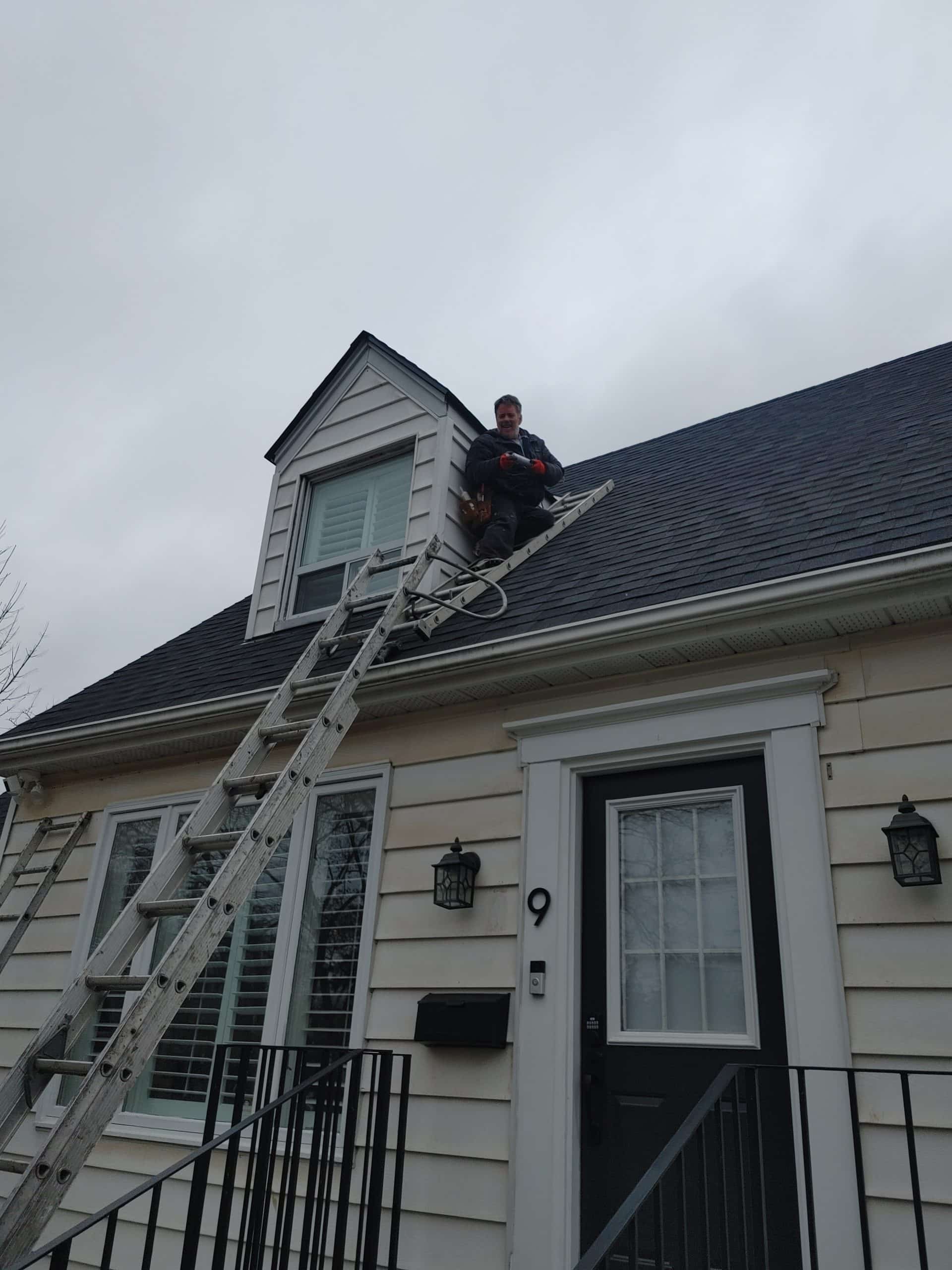
Understanding mouse activity is essential for effective pest control.
The increase in mouse activity is a result of changing lifestyle patterns, building consumerism, and changes in the environment around us. Understanding the causes of mouse activity will allow us to identify mouse activity early and provide the opportunity for us to better protect our homes from housing mice.
If you’ve noticed signs of rodent activity, such as mouse droppings, scratch marks on your walls, or chewed electric wires, then it’s time to take action. A small problem can quickly become a colony; therefore, awareness and prevention are your best protection.
Taking proactive measures against mouse activity is crucial for maintaining a rodent-free home.
Signs it’s time to take action:
- Mouse droppings in your home
- Scratch marks on your walls
- Chewed electric wires
- A small problem can quickly become a colony
- Awareness and prevention are your best protection
Frequently Clients Asked Questions
Why am I suddenly seeing so many mice in my Oakville neighborhood when I never had this problem before?
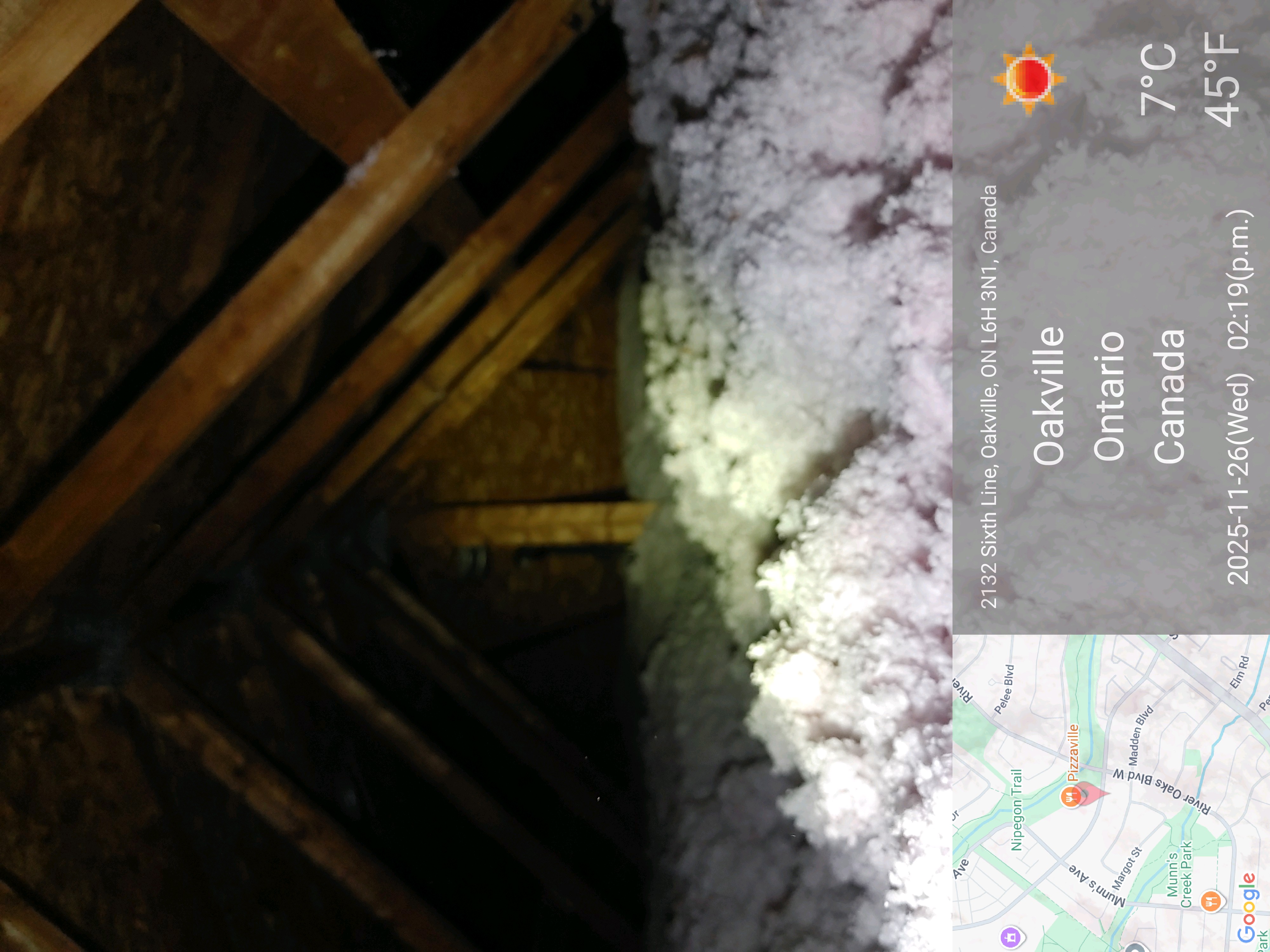

Your area is probably undergoing many new changes. Lots of construction means lots of digging and discovering new places to build. This new activity eventually pushes small animals like mice out of areas they typically inhabit and into areas where people reside. When they build new neighborhoods and destroy old areas like trees and parks, they push out mice that have nowhere else to go and drive them into nearby house garages and access points that lead to attics and basements. This increase isn’t a result of anything you are doing. There are simply more mice around the area, and they are a direct result of humans destroying the areas where they naturally live.
Does climate change really affect how many mice I see around my house?
Definitely, it does. Winters in southern Ontario have gotten warmer, which means mice can stay active longer. They’re not dying off in the cold like they would have decades ago. Warmer falls also give them extra time to get into your house before the true cold weather hits. So instead of having just a few months where mice are a problem, it’s almost year-round now these days.
Why do my neighbors in Burlington seem to have mouse problems spreading from house to house?
This is the problem with living in townhomes or condos where everything is attached, including attics and the pipes underneath. Mice do not care about boundaries. They will use shared walls and even sewers to move from one unit to another and vice versa. If your neighbor three doors down has mice, it’s likely those mice are exploring your entire row of units, considering they are looking for an accessible food source. When one unit gets infested, it spreads quickly due to the numerous entry points linked in-between
Is my green bin actually attracting mice to my property?
Yes, those compost bins are good for the environment, but if there are mice around, they are going to smell them and be attracted to the compost. If your compost bin sits out for days in your yard or inside the garage, that is an open invitation for mice to attack. Just because there are mice doesn’t mean you should stop composting, but try to keep the compost bin closed tight and maybe rinse it out sometimes so it doesn’t smell as bad and attract them.
I live in an older home in Falgarwood—does that make me more likely to get mice?
Of course older homes have more entry points! A home built a long time ago, 30 years plus, was not built with mice in mind, so they usually have more gaps in the foundation, a siding gap, and big crevices around old utility lines. More mice than one can easily slip through more crevices than the siding gap. A mouse only needs a hole the size of a dime to get through, and older homes have lots of those entry points.
Why aren’t there more cats or owls around to keep the mouse population down naturally?
The time advancement of suburb structure has destroyed the natural balance around us. All the roads and fences keep the suburbs separated and make it hard for animals to hunt. As we build up more suburbs, owls and coyotes become rarer to see. Sure, a cat might hunt the occasional mouse, but it doesn’t help control the overall population.
If I seal up all the holes in my house, will that actually stop mice from getting in?
It’s your best method of defense that you must do, but you need to be more detail oriented. Mice are excellent at locating the little gaps you’ve overlooked. Inspect your pipes, your foundation, your garage door corners, any gaps, and any openings. Fill the holes with steel wool and then seal the holes with caulk; don’t use foam because it’s chewable. Mice are able to chew through a lot of other materials but leave steel wool alone. Many folks overlook gaps, which is why it may be worthwhile to get a mouse exclusion professional to assess and fix it.
What should I do if I’m already seeing mice in my Hamilton Mountain home?

Don’t let the problem get worse. A mouse or two can turn into a massive infestation in no time. A mouse colony will breed really quickly. To help the situation, start by storing food in sealed containers and cleaning up all scattered food. Put some traps in the places you found droppings, but the real solution is to identify the places where they are getting in from and seal those access holes. If you see mice a lot or find droppings in many rooms, you probably need mice extermination professionals, because the problem is bigger than what a few traps can handle. Therefore, addressing the mouse activity in southern Ontario should be a priority for residents.