

Winter Mice Control in Milton: Why Professional Removal and Home Sealing Are Your Best Defense
Scratching sounds in your walls at 3 AM? Yeah, you’ve got mice inside.
Pay attention; when winter hits Milton, mice aren’t going anywhere—they’re coming straight into your house. And here’s the thing most people don’t realize: what looks like one or two mice right now can turn into hundreds in just a few weeks. We’re talking real health risks and serious damage to your home. Effective winter mice control is essential to prevent this.
This helpful guide breaks down why Milton homes get hit so hard during winter, what these little guys are actually doing to your property, and why throwing down some traps from Canadian Tire isn’t going to cut it. For a lasting solution, professional removal and proper sealing are essential.
Why Are Mice a Major Winter Problem in Milton?

In Milton, winter doesn’t just mean snow and cold; it means increasing numbers of mice in your home!
Mice don’t just get into your home because it is cold outside. They are seeking food and shelter. Once mice find their way inside your house, they can be difficult to eliminate unless you have professional help.
Mice cause more than just inconvenience. Dealing with mice as soon as possible is crucial, as they can pose serious health risks to your family. In this blog, we will answer the question: Why are mice so prevalent in Milton during the winter months? We will explain some of the dangers associated with having mice and why removing them and providing professional home sealing are the best long-term solutions for your home.
Implementing effective strategies for controlling mice in winter can make all the difference in protecting your home this season.
Milton’s Climate Creates Perfect Conditions for Mice Infestations
Mice are a major concern in Milton because of its climate. As winter sets in and temperatures drop to very low levels, outdoor food sources and nesting opportunities for mice vanish. As a result, rodents will most likely seek refuge inside homes. A home has several advantages that allow it to be the ideal nesting area for mice, including heat, food crumbs, and soft coverings that allow insulation.
Even if you keep your home clean and avoid food spills, mice only need a tiny entry point to enter a structure. It takes only the space of a dime for a mouse to squeeze through holes.
Why Older Milton Homes Are Especially Vulnerable
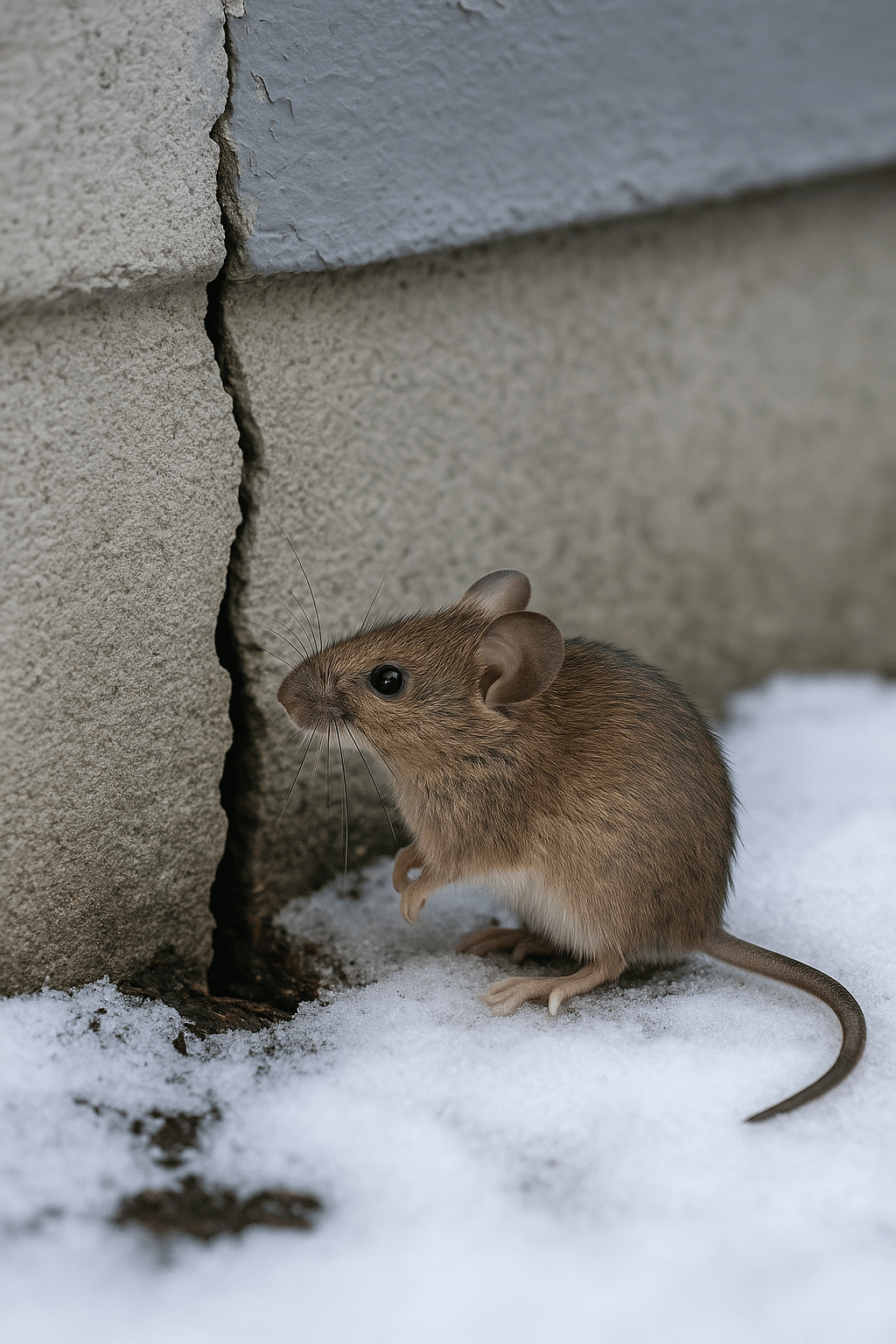
Older homes are especially susceptible to rodent infestations. As homes settle, the pressure from the foundation shifts and may create gaps and holes that allow rodents easy access to the interior of the house. Utility gaps, as well as cracks or splits in foundation walls and poorly sealed windows or doors, provide mice with simple access to the interior of your home.
How Fast Mice Populations Explode
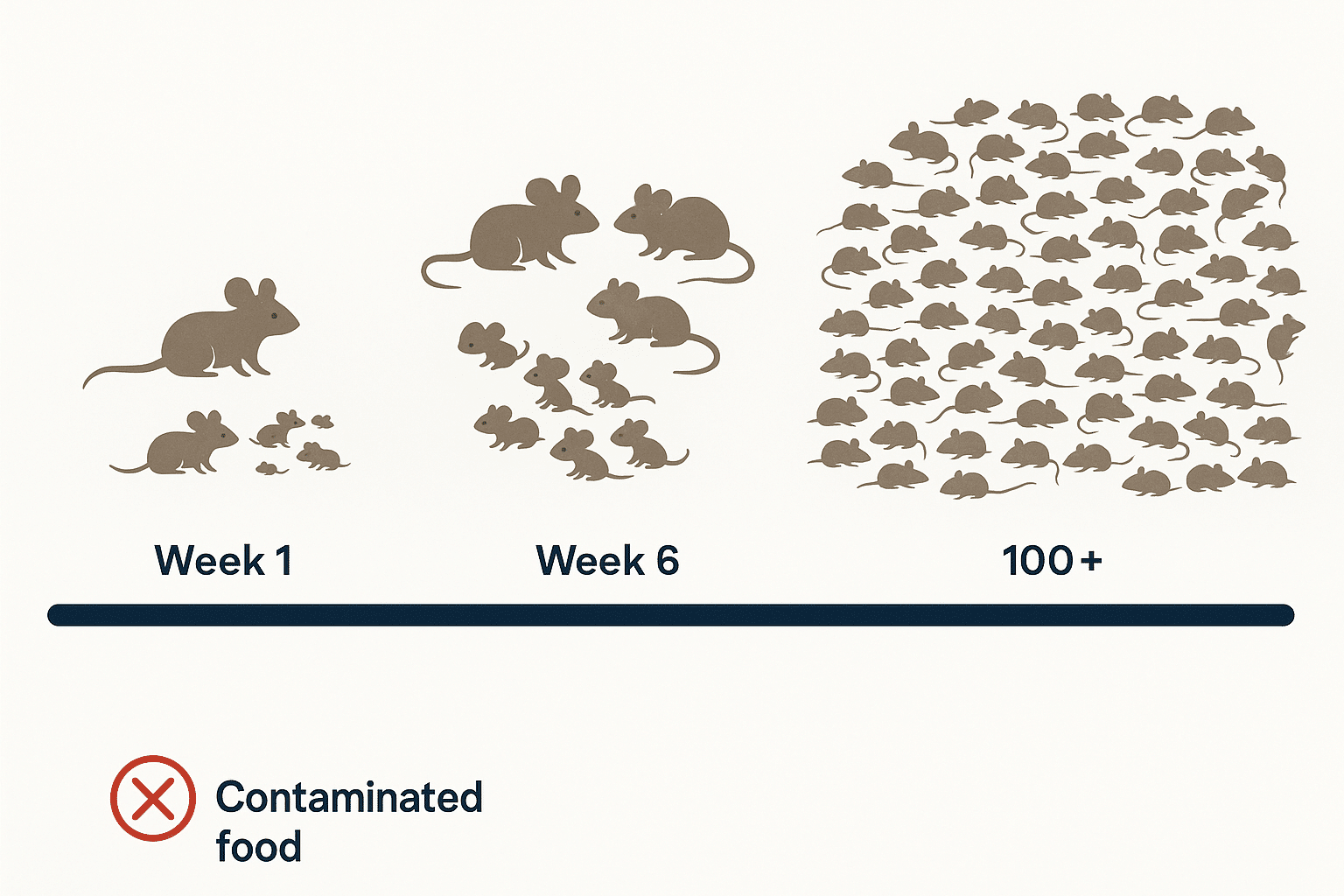
Once they are inside, they will begin reproducing almost immediately. Every year a female mouse can produce about 35 offspring. Females give birth rapidly (in 6 weeks). Therefore, the number of mice from an initial infestation will become huge within a very short period.
The Serious Dangers of Mice Infestations in Your Milton Home
There may be evidence of a mouse problem, such as scratching sounds coming from inside walls, finding feces in your cupboards and pantry, etc. These are signs that you probably have a mice problem, and if your mice infestation starts out as 1 or 2 mice, before you know it you could have 100s or 1,000s of mice in a matter of weeks. There is much more at stake than just noise and mess; there are some serious repercussions to a mouse infestation.
Health Risks: Disease, Bacteria, and Allergens
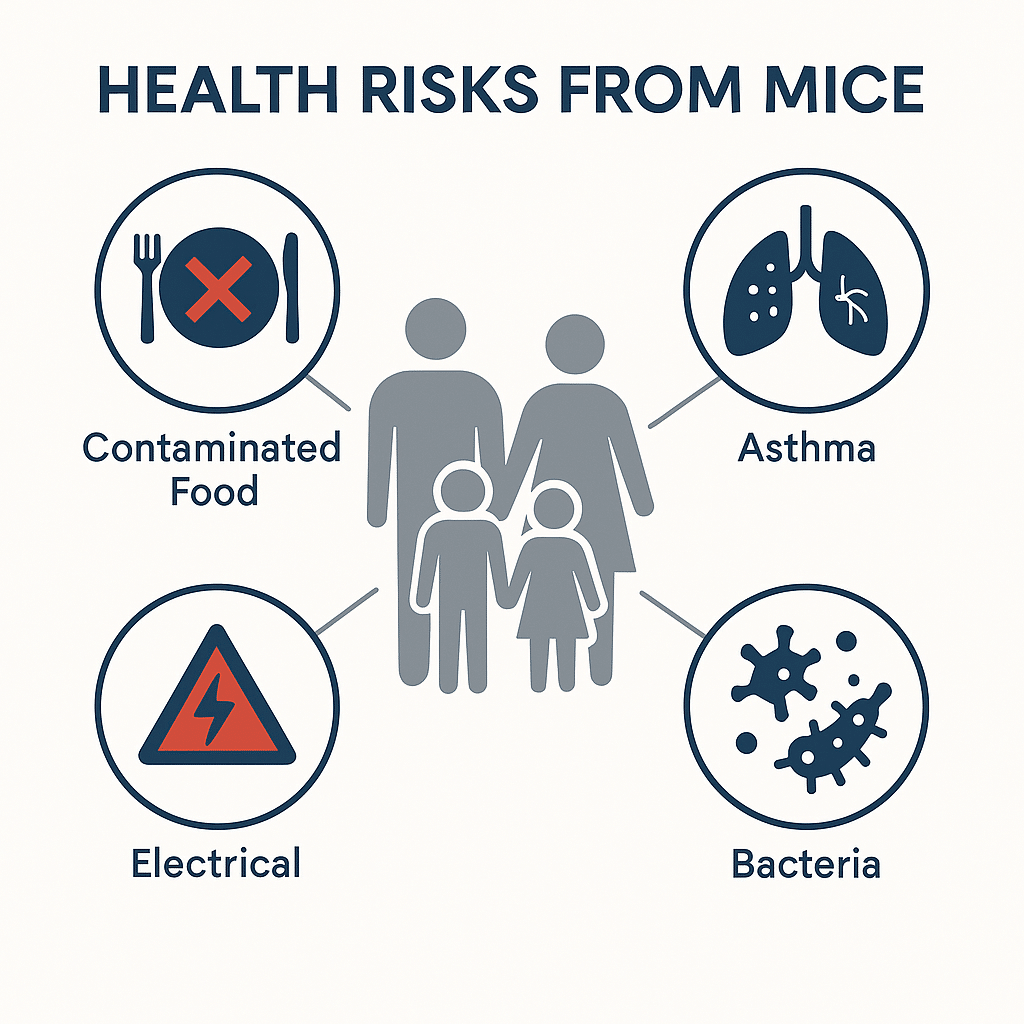
Health risks associated with mice infestations are high. Mice carry many types of bacteria and viruses that can contaminate food and surfaces, causing illness to humans and pets. Mouse feces can trigger allergies and exacerbate asthma in people, especially in children.
Property Damage: Fire Hazards and Structural Issues
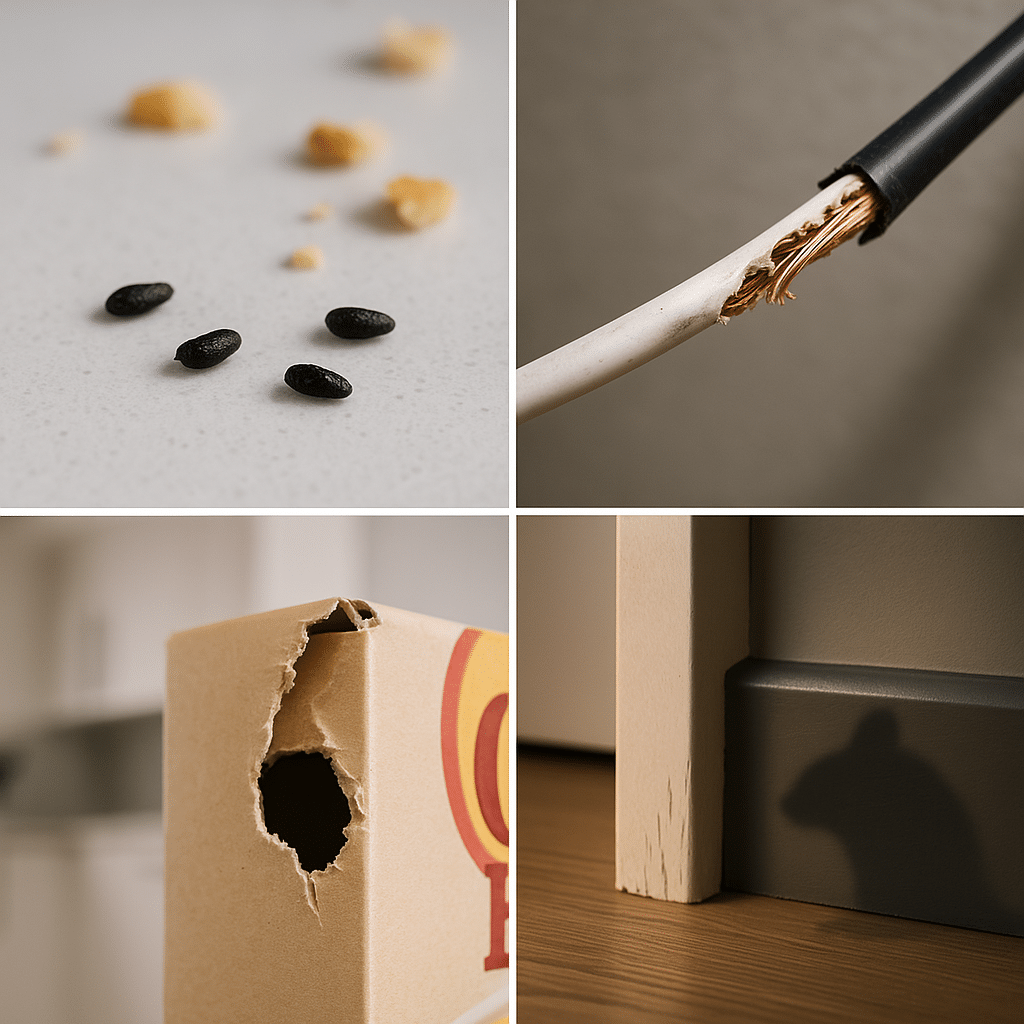
Mice can also damage property by chewing on things in the house. They will constantly chew to keep their teeth from getting too long. This chewing includes electrical wiring, insulation, and wood beams. Damaged wires are a leading cause of fire, and the cost to repair structural damages can be extremely expensive.
Food Contamination in Your Pantry
Food contamination is a direct result of a mouse infestation. Mice will chew through dry food packaging and leave behind millions of droppings and urine in your pantry. Once mice have contaminated your pantry, everything in it would have to be thrown away.
Why DIY Mouse Control Methods Don’t Work
Many individuals attempt to resolve their mouse-related problems through trapping or poisoning. Sadly, this may only solve a small portion of the mouse problem. Mice are extremely cautious by nature. Once mice observe a trap catching one of their companions, they typically avoid it in the future.
Additionally, some mice will learn how to grab food from the traps without springing the trigger mechanism. DIY methods of mouse control are ineffective as they fail to address the creation of entry points. If you don’t seal all of the possible entry points, you will continue having more mice coming into your home. Therefore, trapping is just treating the symptom of having mice in your home and not the root cause of how they are getting in.
The Hidden Dangers of Store-Bought Poisons
Some store-bought products designed to eliminate mice can be dangerous. An example would be poisonous bait that could harm children or pets if not used correctly. If you use poisonous bait or traps incorrectly and the mice die behind a wall, you have to deal with the smell and removal of a dead mouse that could be difficult to get to.
The Professional Solution: Complete Mice Removal and Home Sealing
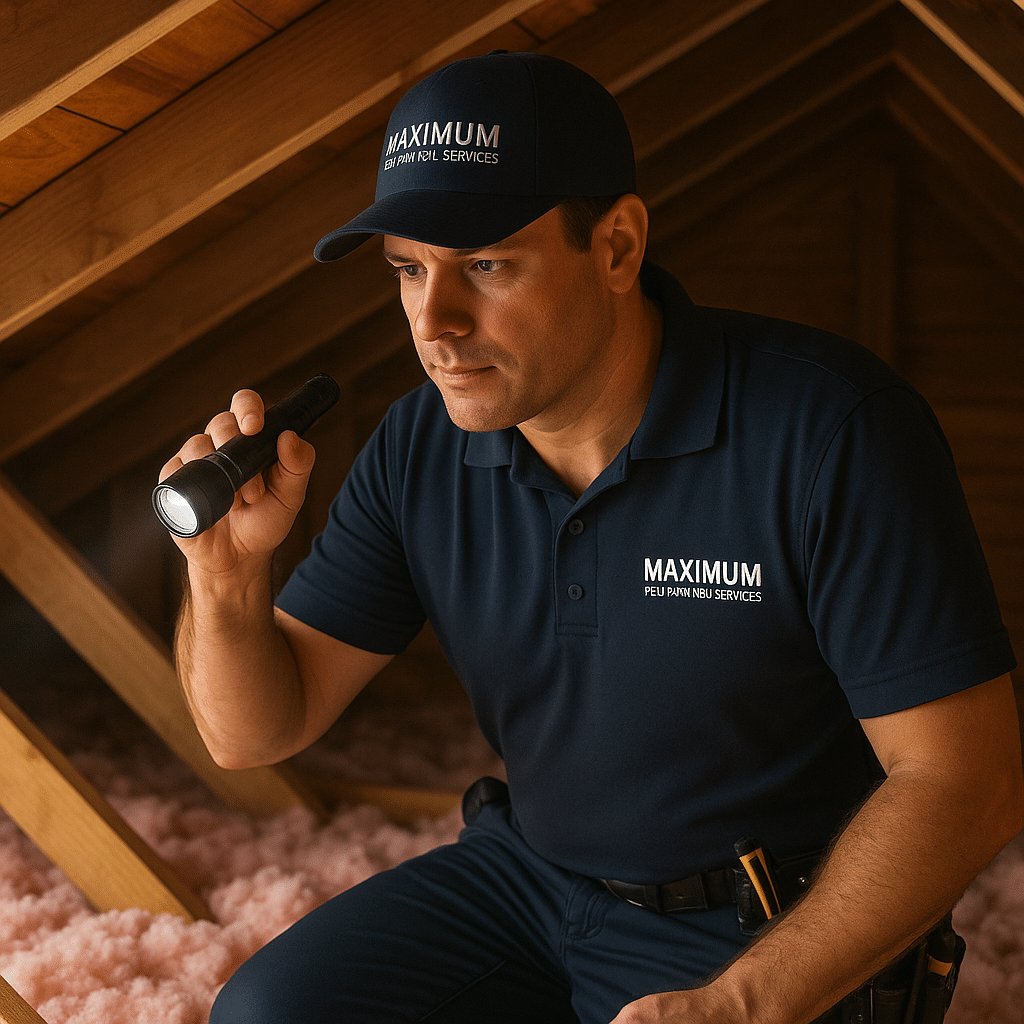
The best long-term solution for getting rid of mice is a combination of clearing them and sealing all possible entry points into your house. Professionals know how all types of pests behave as well as how homes are built, so they will not only clear the mice away from your house but also prevent any future invasions by sealing off all possible entry points.
Step 1: Comprehensive Property Inspection
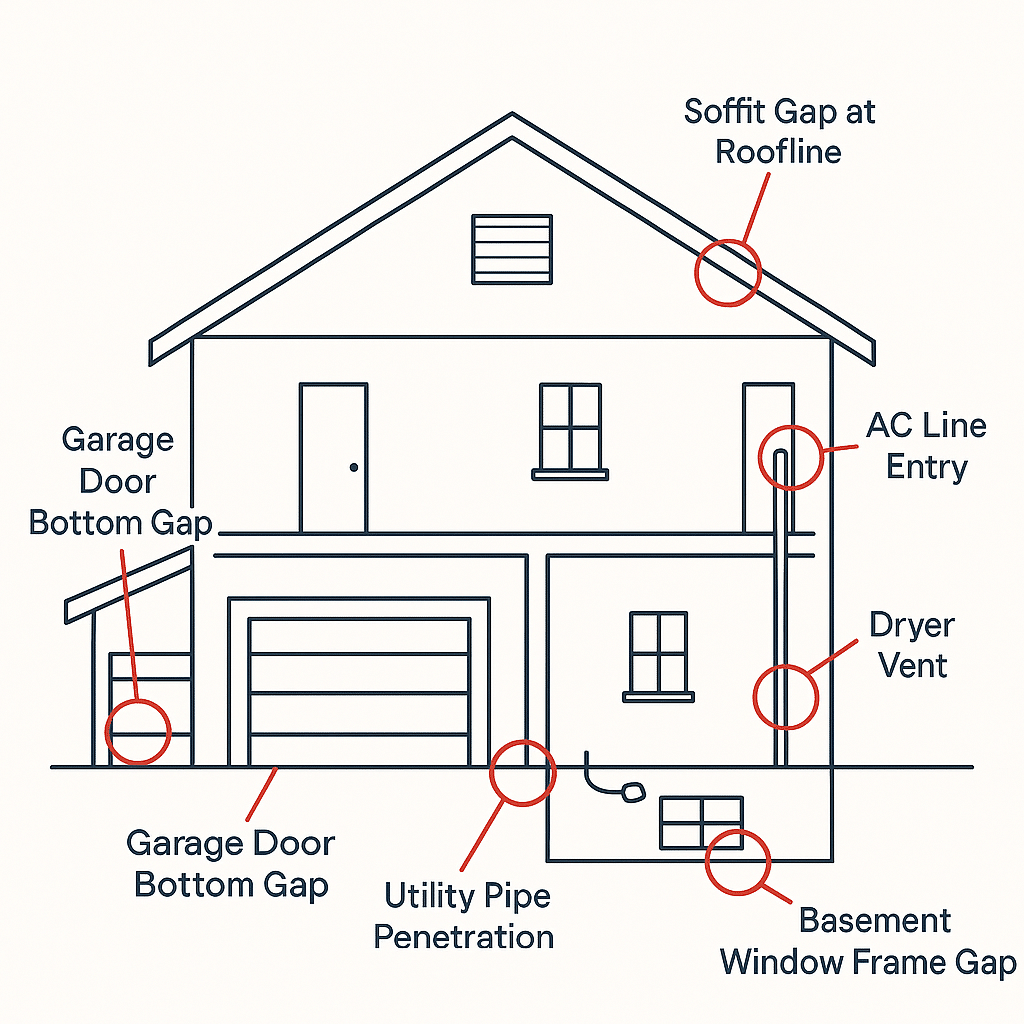
A complete inspection of your property will be conducted at all entry points on your property. The inspection will identify issues ranging from cracks in your foundation and open dryer vent lines to any openings around your doors. The trained technicians will be looking for mice droppings or urine stains, gnaw marks on your food or electrical wires, and nesting material made of paper or cloth, as well as sounds coming from behind the walls or ceiling. The inspection will cover every aspect of the property, including attics, basements, garages, and crawl spaces.
Step 2: Humane and Safe Mice Removal
Once you have located all possible entry points, a humane removal technique will take place. The professionals will use approved bait stations and mechanical trapping devices, which are safe for children and pets. No guesswork will be involved.
We carefully plan the placement of every tool for pest control to align with the rodents’ behavior. This phase is usually between a few days and one week, depending on the extent of the infestation, and all rodents must be cleared before sealing begins.
Step 3: Permanent Home Sealing to Prevent Re-Entry
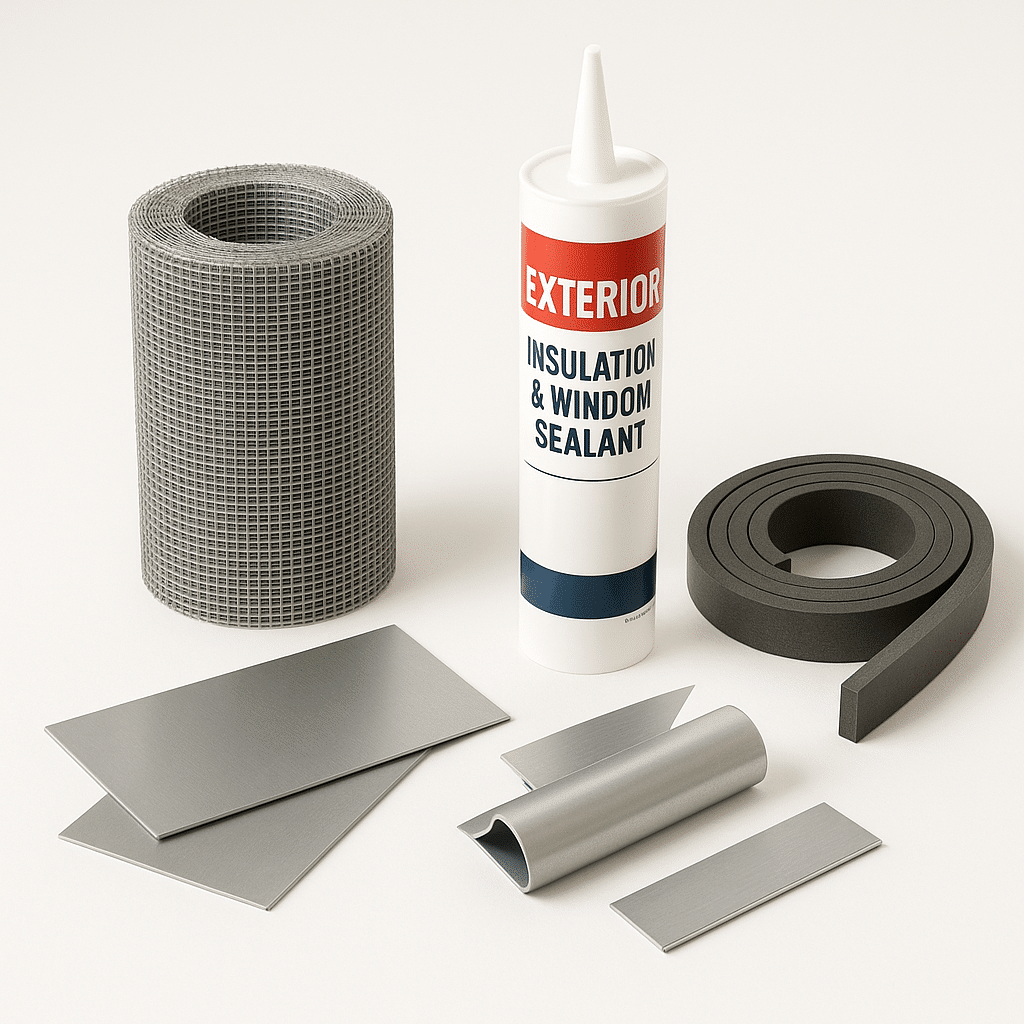
After you have removed the rodents, all access points may now be sealed, thus preventing any further entry of rodents. As such, the sealing process will close all access points to your home with materials that are durable (i.e., steel mesh, weatherproof caulking, and foam sealants). Sealing also improves overall insulation for lower monthly utility bills and a more comfortable living environment during the winter months.
Common Areas That Need Professional Sealing:
- Utility entry points for plumbing and electrical lines
- Cracks in the foundation and basement windows
- Attic vents and areas where the roof intersect
- Gaps under all garage doors
Why Local Milton Expertise Makes a Difference

Milton has its own unique pest control challenges, notably homes located near green space or farmland. These homes typically experience significantly more rodent pressure. Newer subdivisions may experience increased rodent problems, particularly during the construction process when the soil is disturbed.
Local experts understand the unique pest challenges and risks that are prevalent in Milton and can provide pest control solutions tailored to the climate and housing trends there. They are also familiar with the different types of building construction and where the most common gaps will be found, as well as where rodents are most likely to enter a home. This type of information results in quicker and more efficient service.
Service Guarantees from Local Providers
Local providers often guarantee that if mice return, they will fix the problem for free. This is one of the reasons that the reliability of local pest control services is greater than the reliability of generic pest control services.
Additional Benefits of Professional Home Sealing
Sealing your home prevents mice from entering your property and keeps out other pests, including rats, squirrels, and insects, while also blocking drafts of cold air, reducing heat loss, and mitigating moisture and mold problems caused by inadequate ventilation. Sealing your property is an investment you can make to ensure the protection and integrity of your home. By sealing off entryways of pests from your home, you will reduce utility bills, improve your indoor air quality, and have a more comfortable living environment throughout the entire year.
Don’t Wait Until the Situation Gets Worse
If you have spotted a mouse or heard noises coming from within your walls, you should act quickly. By responding quickly, you will have an easier time of eliminating the problem from your home and avoiding costly property damage.
Contact an expert to schedule an inspection of your home and start the process of creating a secure, mouse-free environment. By using both expert removal and high-quality sealing services, you can count on exceptional results. Call us today! You can also visit our website to request a free estimate. Let us help you reclaim your home from mice before they take over!
Milton Mice Control FAQ
If you’re in Milton and starting to notice signs of mice, you’re definitely not alone. Homes near green space, farmland, and new construction get hit hard by rodents year after year. These frequently asked questions (FAQs) explain the reasons behind the mice problem in Milton, provide tips for preventing them, and indicate when to seek professional assistance.
Why Mice Target Milton Homes
Why are mice such a big problem in Milton homes during the winter?
Simple—when it gets cold, mice need somewhere warm to hide. Your attic, basement, and wall voids become prime real estate. They get heat, food, and protection all in one spot. Milton’s got farmland, green space, and tons of older neighborhoods with small gaps everywhere. Once the temperature drops, mice follow those openings straight into your house.
Do mice come inside only because it’s cold, or are they seeking food and shelter too?
They’re after all three—warmth, shelter, and food. Even tiny crumbs under your appliances, pet food left out overnight, or an open box of cereal can pull them in. When their outdoor food sources dry up in winter, they follow scent trails right into Milton homes, where they can set up camp for the season.
Why are older homes in Milton more likely to get mouse infestations?
Older homes just develop gaps over time. Foundation settling, aging brick, worn caulking, and older roof details—these all create tiny openings. Even if your house looks great from the outside, those little cracks are all mice need. Plus, older homes often have unfinished spaces behind walls and in ceilings that make perfect nesting spots once they get in.
How can mice squeeze into my home if I keep it clean and sealed?
Keeping things clean is great, but it doesn’t stop them from getting in. Mice only need a hole about the size of a dime to squeeze through. They can flatten their bodies and slip through gaps you’d never spot—under siding, along gas lines, around pipes, at garage door corners, and under exterior doors. Cleanliness helps reduce what attracts them, but it won’t block the structural openings they use to enter.
How Fast Problems Grow and Warning Signs
How fast can a small mouse problem turn into a full infestation in a Milton home?
It can happen rapidly—in just a few weeks. One pair of mice can pump out multiple litters once they’re comfortable and warm inside. Because they hide in walls, ceilings, and behind stored stuff, most people don’t realize how many are there until the population’s already exploded throughout the house.
What are the early signs that I might have mice in my walls or basement?
Listen for faint scratching or scurrying at night, especially in walls, ceilings, or basements. Look for small dark droppings along baseboards, under sinks, in cupboards, or near food. Check for tiny chew marks on food bags or cardboard. Notice rustling sounds behind appliances. Watch if your pets start staring, sniffing, or pawing at certain spots. If you’re seeing even one of these signs, mice have probably been there for a while.
Why is hearing scratching in the walls or finding droppings a serious red flag?
Because it means they’re already settled in—this isn’t a one-time visitor. Scratching usually means they’re nesting, traveling, or chewing behind your walls. Droppings show their regular routes and feeding areas. These signs mean the mice are comfortable and the infestation is established, not just starting.
Health Risks and Property Damage
What health risks do mice pose to my family and pets?
Mice carry bacteria and germs that contaminate your surfaces, food, and even the air you breathe. Their droppings and urine can irritate breathing and make existing respiratory issues worse. Pets can get exposed if they lick areas where mice have been or if they catch and mouth an infected mouse. Even if you never see the actual mice, the contamination they leave behind can still affect your family’s health.
How can mouse droppings and urine affect allergies and asthma in children?
Droppings and urine can make allergies and asthma way worse, especially in kids. When droppings dry out, they break into fine particles that become airborne and get into the air you’re breathing. These particles are known asthma and allergy triggers. If you’ve got kids with breathing issues, an active mouse problem can make things noticeably worse pretty quickly.
What kind of damage can mice cause to wiring, insulation, and wood in my home?
Mice chew constantly to keep their teeth from overgrowing, and they don’t discriminate. They’ll damage electrical wiring, insulation, stored items, cardboard, plastic pipes, and even wooden framing. Chewed wiring is especially dangerous—it can cause shorts, circuit malfunctions, and potentially start fires if the damage is bad enough.
Why is food contamination such a big concern with a mouse infestation?
The reason is that mice contaminate far more food than they actually consume. As they run across your pantry shelves, counters, and packaging, they’re leaving droppings, urine, and bacteria everywhere. Any open or lightly sealed bag, box, or snack they’ve touched should be considered unsafe. You could end up throwing out a ton of food and deep cleaning your entire storage area after an infestation.
DIY vs Professional Solutions
Do DIY mouse traps and store-bought poison really solve a mouse problem long-term?
Honestly? Not really. DIY traps and store poisons might catch a few mice, but they rarely resolve the actual problem. They don’t address how the mice are getting in or where they’re nesting. You might get short-term relief, but new mice will keep entering through the same gaps. Without proper inspection and sealing, the problem just keeps coming back—especially in high-pressure areas like Milton.
Why do traps and poison often fail to get rid of all the mice in a house?
This is because traps and poison only catch the mice that happen to interact with them. Not all mice follow the same paths, and some nests are buried deep in walls, attics, or crawlspaces you never see. If even one pregnant female or hidden nest survives, the population rebuilds. Sometimes poorly placed poison actually drives mice deeper into walls, making odor and cleanup issues even worse.
What are the risks of using mouse poison around children and pets?
The primary risks are accidental exposure and secondary poisoning. Curious kids or pets might discover bait that’s not secured properly. Pets can also get poisoned if they eat or mouth a poisoned mouse. Even “tamper-resistant” products can be dangerous if they’re placed wrong. That’s why professional setups use locked, commercial-grade bait stations with very specific placement.
Why is sealing entry points more important than just trapping mice?
Because sealing addresses the root cause—access. Traps only handle the mice already inside. If the gaps and cracks around your Milton home stay open, new mice will just keep coming in from outside. When you combine proper trapping with professional sealing, you stop the current problem AND prevent new mice from taking their place.
What Professional Help Actually Looks Like
What happens during a professional mouse inspection in a Milton home?
A trained certified technician thoroughly inspects your entire property, both inside and outside. They check the attic, basement, garage, exterior foundation, roofline, utility penetrations, and all the common entry areas. They’re looking for droppings, grease marks, chew damage, nesting material, and structural gaps. The aim is to find out where mice live, how they travel, and how they enter your home.
How do technicians find all the mouse entry points in my house?
Through training, experience, and a systematic inspection process. We know the weak points in typical Milton construction—AC and gas line penetrations, meter boxes, soffit gaps, garage door corners, weep holes, and foundation cracks. By following droppings, rub marks, and travel patterns, we can trace activity back to the key entry points that need sealing.
What is humane mouse removal, and how does it work?
Humane removal means solving the problem with as little suffering and disruption as possible. It usually combines strategic trapping, removal of nests and contaminated materials where needed, and thorough sealing so mice can’t get back in. Instead of relying heavily on poison, the focus is on clearing the current infestation and preventing future ones through structural fixes.
What materials are used to seal a home against mice for the long term?
We use materials rodents can’t chew through—steel mesh, metal flashing, concrete or mortar patch, heavy-duty weather-stripping, and high-grade exterior sealants. These get installed at key gaps and penetrations around your structure and are chosen to stand up to Milton’s weather and temperature changes without breaking down.
Which areas of a house usually need to be sealed to block mice?
The most common areas are garage door corners and weather-stripping, gaps around utility and AC lines, openings near meter boxes, soffit and roofline intersections, foundation cracks, basement or crawlspace vents, dryer vents, and around basement window frames. These are the high-traffic access points mice use repeatedly in Milton homes.
Why Milton is Different
Why is local pest control expertise important for dealing with mice in Milton?
Milton exhibits unique patterns. We’ve got nearby farmland, green spaces, and constant new construction. A local technician understands how rodents move through these environments, which neighborhoods get hit hardest, and where typical construction leaves hidden gaps. That local knowledge means faster, more accurate diagnoses and solutions that actually fit Milton homes.
How do homes near green space or farmland in Milton face higher mouse pressure?
Green space, ravines, and farmland act like natural rodent highways and nesting grounds. Mice live and feed in fields, long grass, and natural cover. When weather shifts, crops are harvested, or nearby areas are disturbed, they move toward the nearest warm, stable structure—which is often the row of homes sitting right along the edge of that green space.
Why do new subdivisions and ongoing construction in Milton attract more rodents?
Building work disturbs the soil and existing rodent habitats. When torn down older structures or fields, mice scatter, seeking the next best shelter. Freshly built homes can also develop small settling gaps around foundations, utility lines, and framing in the first few years, giving mice extra chances to squeeze in if those spots aren’t sealed properly.
Long-Term Benefits and When to Act
What are the long-term benefits of having my home professionally sealed against mice?
You get peace of mind. There will be a reduction in the frequency of infestations during the winter months. Protected wiring and insulation. No ongoing contamination and cleanup. Instead of fighting mice every season, you create a physical barrier that stops them at the outside of your structure. Over time, this method protects your home, your health, and your wallet.
How can sealing my home against mice also reduce drafts, moisture, and energy bills?
Most mouse entry points are also air and moisture leaks. Proper sealing of those cracks and gaps prevents the infiltration of cold air during winter and humid air during summer. Many homeowners notice fewer drafts, more comfortable indoor temperatures, and, over time, lower heating and cooling costs. So sealing for mice doesn’t just stop rodents—it can help your home feel tighter and run more efficiently.
Why is it important to act quickly when you see the first signs of mice?
Because the first signs usually mean they’ve already settled in. The sooner you respond, the easier it is to control them before they multiply, spread to other parts of the home, and cause serious damage. Waiting gives them time to build nests, chew wiring and insulation, and contaminate more areas—turning a simple job into a bigger, more expensive mess.
When should a Milton homeowner call a professional mouse control company for help?

You should call a professional mouse control company as soon as you notice warning signs, such as droppings, scratching in the walls or ceilings, chew marks, or if mice appear in traps more than once. If you’re seeing activity repeatedly, the problem’s already beyond a quick DIY fix. A professional pest control technician can inspect your home correctly, remove the mice, and seal the exterior entry points so the issue doesn’t keep coming back every season.