

Why Summer Heat Brings Pests Into Oakville and Burlington Homes — And What to Do First
Summer heat triggers summer pest infestations in Oakville by increasing insect activity, speeding up reproduction, and driving pests indoors in search of water, food, and stable temperatures. In warm and humid areas like Oakville and Burlington, this leads to a noticeable rise in ants, cockroaches, mosquitoes, and other pests inside homes during peak summer months.
Walk into your kitchen on a hot July morning in Oakville and there’s a decent chance you’ll find something you weren’t expecting. A line of ants moving along the baseboard. A roach disappears under the stove or fridge. A centipede crossing the bathroom floor, slipping through the crack.
It’s not bad luck. It’s the weather.
When temperatures stay high for days at a time, insects don’t sit outside and wait it out. They move. They come through gaps in your foundation, cracks around door frames, worn weather stripping, and loose window screens. Once they find food or water inside, they stop looking anywhere else.
This happens every year in homes in Oakville and nearby cities—the same pattern, the same window of time, roughly June through September, contributing to summer pest infestations in Oakville.
What Heat Actually Does to Pests
Insects are cold-blooded. Their body temperature matches whatever’s around them. When outdoor temperatures rise, everything about them speeds up — how fast they move, how much they eat, and how quickly their eggs hatch.
A colony that barely grew all spring can double in size during a two-week stretch of heat and humidity in July. That’s not an exaggeration. It’s just biology.
When it gets hot enough that outside stops being comfortable, they relocate. Your home stays cooler, has water running through it year-round, and almost always has food within reach. That combination is exactly what they’re tracking down.
How Each Common Pest Responds to Summer Heat
Ants follow scent trails to food and water. One scout finds something, marks a path back to the colony, and the rest follow. What looks like two or three ants near your sink is usually the start of that process.
Cockroaches stay out of sight until the colony gets too large for the space it’s using. Seeing one in daylight is almost always a sign there are far more behind your walls and under your appliances.
Mosquitoes need very little to breed—a plant saucer, the lid of a garbage can, or a blocked gutter. Warm standing water is all it takes.
Termites become more active as the ground warms. They’re slow to damage, difficult to see, and expensive to deal with once they’ve been going for a while.
Why Oakville and Burlington Homes See This Every Summer
The Halton Region gets warm and humid from late June onward. That combination — heat plus moisture — is what pushes pest activity indoors faster than dry heat alone would.
Older Homes
Older homes in areas like Old Oakville, Bronte, and the mature neighborhoods along the Burlington waterfront tend to have more entry points. Aging door frames, original window casings, and foundation gaps that have shifted over decades. Pests find those openings and use them.
Newer Builds
Newer builds in areas like Palermo, Preserve, or Alton Village aren’t immune either. Construction gaps around plumbing, unsealed vents, and attached garages all create routes in.
The pest doesn’t care what year your home was built. It cares whether there’s a way in and something worth coming in for.
The Three Things That Draw Pests Into Your Home
Every pest problem in summer comes back to the same three things: food, water, and a way inside.
Food
Food is easier to find in your home during summer than you’d think. A bag of bread on the counter. Crumbs along the back edge of the stove. A fruit bowl with something going soft in it. Garbage that smells strong because it’s been sitting in the heat. None of these feel like a problem until something is already foraging for them.
Water
Water is the one people miss most often. The drip under the kitchen sink that’s been slow for months. Condensation collecting around a cold pipe. The tray under the fridge. Ants and silverfish don’t need a puddle — they’ll find moisture in places you haven’t looked at in a year.
Access
Access opens up in summer simply because people live differently. Doors stay open longer. Windows go up without screens checked. Kids are in and out all day. Gaps that were sealed off by cold air in January are actively used in July.
What to Do Before It Becomes a Problem
None of this requires professional help to start. A couple of hours spent on the right things early in the season will prevent most of what we get called out for in August.
Seal Every Entry Point
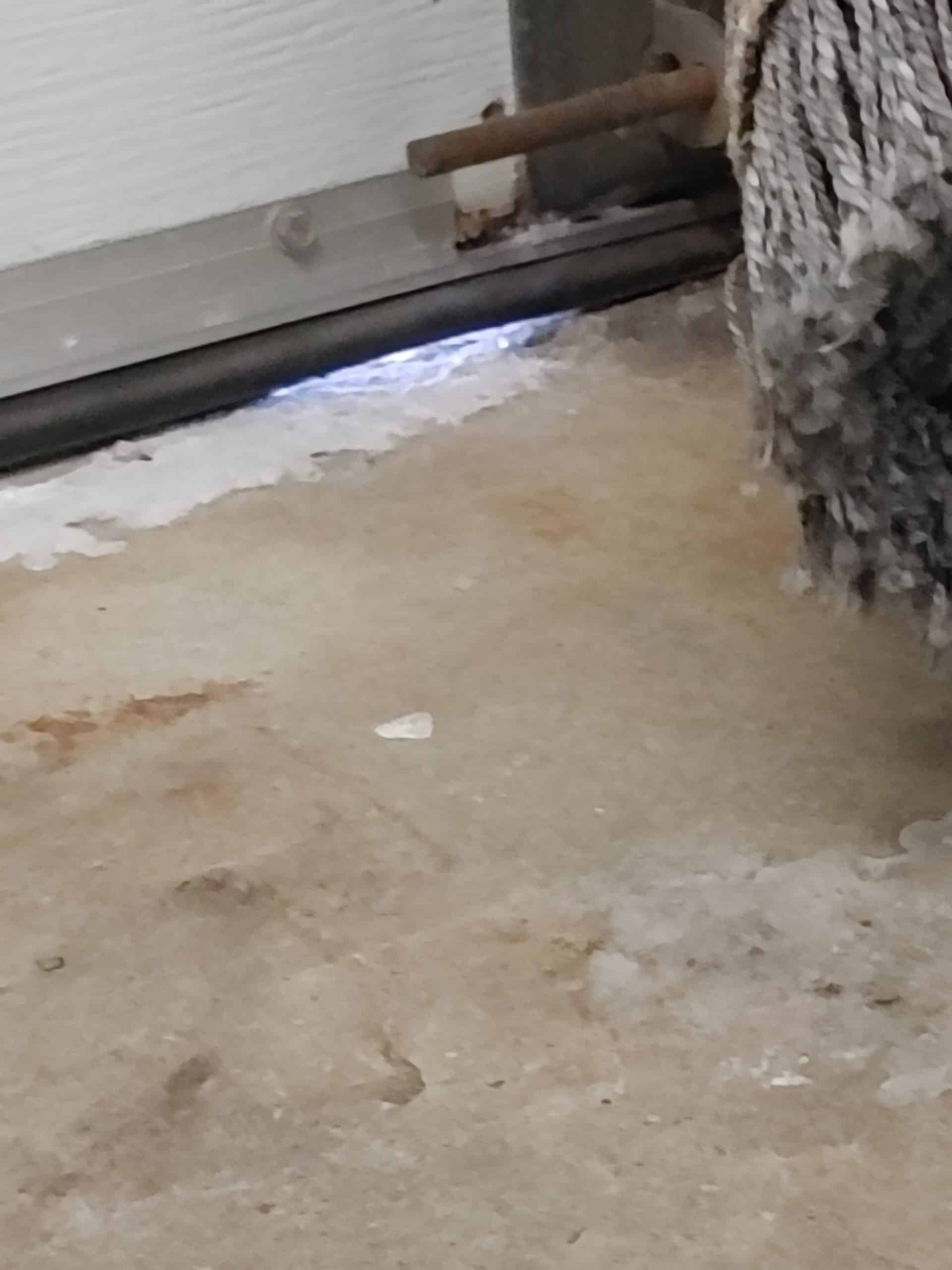
Go around the outside of your home structure and seal and block what you observe. Check door frames, window edges, the foundation line, and anywhere a pipe or wire enters the wall. A gap the width of a dime is enough for an ant. A pencil-width gap will let mice through. Take a tube of exterior caulk and close anything you see required.
Pull your window screens out and check them. A small tear near the corner, a frame that doesn’t sit flush—bugs will use that opening every day all summer.
Get Rid of Standing Water
Tip out plant saucers, empty anything that collects rain, and clean your gutters after a storm. Fix slow drips under sinks. Check the tray under the fridge. Mosquitoes can breed in a tablespoon of water left for a week.
Remove What’s Drawing Them to Your Kitchen
Wipe counters after cooking. Move food out of bags and into sealed containers. Take garbage out before it smells. Check under and behind appliances a couple times a season—grease and crumbs build up back there, and most people don’t notice until something is already living in it.
The Part Most Homeowners Get Wrong
They notice something small and wait.
A couple of ants near the sink. One roach. A few mosquitoes in the backyard. It doesn’t feel urgent. Three weeks later it is.
Pest problems compound. A few foraging ants become an established trail. An established trail means the colony now has a reliable food source and will keep sending workers. Cockroaches that were staying in the walls start showing up in the open because they’ve run out of space behind them.
What takes a single afternoon to deal with in June can take multiple treatments to get under control in late August. Every week that passes without action is a week the problem gets harder.
If you’ve sealed entry points, removed standing water, and kept things clean—and you’re still seeing activity—they’re already inside somewhere. At that point, guessing doesn’t help. You need to find where they’re coming from and deal with it there.
Customers’ Most Asked Questions

Why are pests worse in summer than any other season in Oakville and Burlington?
Heat speeds up everything about how insects function—how fast they move, how much they eat, how quickly they reproduce. The humidity that comes with Ontario summers makes it worse. Warm, moist conditions are exactly what most pest species need to grow fast and spread. When outdoor conditions peak, pests come inside to find something more stable.
What pests are most common in summer in the Halton Region?
Ants show up first for most homeowners, usually in the kitchen or near an exterior wall. Mosquitoes follow anywhere water sits still. Cockroaches, termites, silverfish, and mice all become more active as temperatures stay high. Centipedes come in through basement gaps when it gets hot and dry outside.
How are pests actually getting into my home?
The most common entry points are gaps around door frames and window edges, cracks in the foundation, spaces where pipes or utility lines enter the wall, and window screens that have small tears or don’t sit flush. Let’s not forget also the garage bottom piece has been chewed and needs to be fixed.
Can a hot summer actually cause an infestation on its own?
Yes. Sustained heat speeds up breeding cycles dramatically. Heat also pushes pests out of outdoor environments they’d normally stay in and drives them indoors toward stable temperatures, food, and water.
When should I call a pest control company instead of handling it myself?
If you’ve sealed entry points, removed standing water, and kept food properly stored—and you’re still seeing consistent pest activity, they’ve already settled inside the home, and it’s time to contact your local pest control company.
When to Call Maximum Pest Control Services
If the basics haven’t worked and pests are still showing up, they’re already in. That’s a different problem than keeping them out, and it needs a different approach.
Maximum Pest Control Services operates across Oakville and the surrounding area. We find where pests are getting from and fix it, treat what’s already established, and give you a clear picture of what needs to change so it doesn’t come back next season.
Licensed. Insured. Bonded | maximumpestcontrol.ca | (905) 582-5502