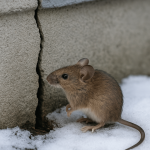

How Often Should Burlington Homes Get Pest Control for Mice – The Complete Guide!
Burlington homeowners should schedule pest control inspections quarterly (every 3 months) for best active prevention, or at minimum twice yearly—once before winter (October-November) and once in early spring (March-April). Properties near ravines, Credit River, or wooded areas need more frequent monitoring.
Generally, mice enter Burlington homes when temperatures drop below 10°C, typically October through March. Complete protection requires four steps:
1- Professional inspection to find all entry points (homes average 10-30 gaps).
2-Sealing with strong materials mice can’t chew through (steel wool, metal flashing, and cement for best long lasting results).
3- Eliminating food sources and bird seeding outside; never leave open garbage bins inside the garage, insure your garage door has no gaps anywhere especially gap corners and don’t bird seed in the backyard.
4- Install professional ministry certified mice baiting; Kitchen, Basement, Attic, Garage, as well as the outside to help eliminate mice trying to enter.
One-time treatments will not succeed, because mice mostly breed every 3 weeks and new populations move in through unsealed openings once discovered.
Signs you need immediate pest control service: scratching sounds in walls at night, rice-sized droppings near food, gnaw marks on packaging or wires, shredded insulation, or greasy rub marks along baseboards. Don’t wait for scheduled appointments if you see these warnings—mice populations double every 3 weeks.
Why Pest Control Frequency Matters in Burlington
If you’re dealing with mice or want to prevent them, schedule pest control every 3 months for best results. If your home has never had issues and you maintain it well, twice a year that works, once in fall before cold weather arrives, and once in spring to check for winter damage.
Burlington’s location between Lake Ontario and the Niagara Escarpment creates ideal conditions for mice population. They live outside all summer near green spaces like Kerncliff Park, Mount Nemo, and along Credit River trails. But when overnight temperatures drop below 10°C in late September, mice start looking for warm shelter. Your home becomes their perfect target to enter.
The question isn’t whether mice will try to enter your Burlington property. The question is whether they’ll succeed.
Burlington Critical Mouse Prevention Windows
Fall Prevention: October-November (Most Important)
This is your most critical inspection of the year. Schedule it before temperatures consistently drop below 10°C, typically mid-to-late October.
A professional checks every potential entry point before mice begin their fall migration. Mice can squeeze through openings the size of a dime—about 6mm. Your home likely has 15-30 such openings you’ve never noticed.
What gets inspected?
- Foundation perimeter for cracks near pipes, gas lines, and utility penetrations
- Garage door bottom seals and corner gaps
- Dryer vents, exhaust fans, and roof ventilators
- Soffit and eave openings
- Wide size weep holes that mice can fit within easily
- Window frames and door weather-stripping
- Chimney caps and flashing
- Gaps in fascia boards and trim
Sealing these gaps now stops problems before they start. Wait until December, and you’re likely sealing mice inside your walls.
Spring Follow-Up: March-April
Even if you had fall season service, spring inspection is necessary. Here’s why: mice that entered in fall may have bred already. One female produces 5-10 babies every 3 weeks. A pair of mice in October can become 60+ mice by March.
Spring inspection catches:
- New activity from winter breeding
- Damage to seals from freeze-thaw cycles
- Entry points that opened during winter storms
- Nesting sites before summer population explosion
Burlington lake-effect weather causes concrete foundations to expand and contract. Seals that held in November may have cracked by March.
Summer Maintenance: June-July
Mice prefer to stay active outdoors in summer, but they’re exploring. They follow food sources; garbage, bird seeders in backyards and map territory. A mid-year check ensures barriers remain intact.
This matters especially for:
- Homes near wooded areas in Aldershot, Freeman, and Tyandaga
- Properties backing onto ravines or the Escarpment
- Houses storing bird seed, pet food, or compost bins
- Older homes in established neighborhoods like Brant Hills and Downtown Burlington
Mid-Winter Check: January-February
For properties with previous issues or near high-activity zones, mid-winter inspection confirms treatments are working. This is also peak breeding season—pregnant females need protected nesting sites and become more aggressive about finding indoor shelter.
When You Need Quarterly Service (Every 3 Months)
Some Burlington properties face constant pressure from outdoor mouse populations. Quarterly service makes sense if you have:
- Location near natural areas: Properties backing onto Credit River, Grindstone Creek, Shoreacres conservation areas, or Bruce Trail access points
- Previous mouse problems: If you’ve had mice before, your property has conditions they find attractive
- Older home construction: Houses built before 1980 in neighborhoods like Orchard, Brant Hills, or Downtown Burlington have more entry points
- Commercial proximity: Homes within 200 meters of restaurants, grocery stores, or food retail
- Attractants on property: Bird feeders, compost bins, vegetable gardens, or outdoor pet food
- Attached garages with direct home access: Mice use garages as protected entry staging areas
Note: Quarterly service means inspection four times per year, spaced roughly 90 days apart. This catches new entry points before mice establish indoor populations.
What Happens During Professional Pest Control Visits
Professional mouse control isn’t just setting traps. Each visit includes comprehensive inspection, sealing, monitoring, and professional treatment.
Exterior Assessment (15-30 minutes)
The certified inspector walks your property’s entire perimeter, checking:
- Foundation walls from ground level to sill plate
- All utility penetrations (electrical, cable, phone, gas, water)
- Garage door contact with concrete (most common entry point)
- Dryer vent screens and exhaust terminations
- Roof line, soffit vents, and fascia boards
- Window frames and door thresholds
- Deck attachments and fence post bases
- Bulkhead or basement walkout doors
They’re looking for gaps larger than 6mm. In older Burlington homes, they typically find 20-40 such openings.
Interior Inspection (15-30 minutes)
- Basement: Floor joists, rim joists, utility chases, stored items, around furnace and water heater
- Kitchen: Behind appliances, under sink, pantry areas, for droppings or gnaw marks
- Attic: Insulation condition, dropping, roof penetrations, stored boxes, signs of nesting
- Garage: Storage areas, cardboard boxes, gaps around door frames
- Living spaces: Baseboards, closets, behind furniture for rub marks or droppings
Sealing and Treatment
Found entry points get sealed immediately with:
- Steel wool combined with expanding foam: For irregular gaps around pipes
- Silicone or polyurethane caulk: For foundation cracks and small holes
- Metal flashing or hardware cloth: For larger openings and vent covers
- Concrete patching compound: For foundation deterioration
- Door sweeps and threshold seals: For garage and entry doors
Materials matter. Mice chew through regular expanding foam, wood, plastic, rubber, and even soft metals like aluminum. Professional-grade barriers use materials mice cannot penetrate.
If mice are currently present, the technician places traps or bait stations in strategic locations based on evidence found during inspection.
Monitoring and Documentation
You receive a written report detailing:
- Entry points found and sealed
- Evidence of current activity (if any)
- Risk areas requiring homeowner attention
- Recommendations for next visit
- Photos of problem areas if required
Complete Home Protection Strategies
Exterior Barriers: Your Best First Line of Defense
Mice must cross your property perimeter to reach your house. Make that journey difficult.
Foundation Perimeter
- Check foundation walls twice yearly for new cracks—Burlington’s freeze-thaw cycles create them constantly
- Keep mulch, leaves, and vegetation at least 30cm away from foundation
- Remove wood piles, debris piles, and unused building materials from property edges
- Trim shrubs so they don’t touch house walls—mice use branches as highways
Garage Door Seal
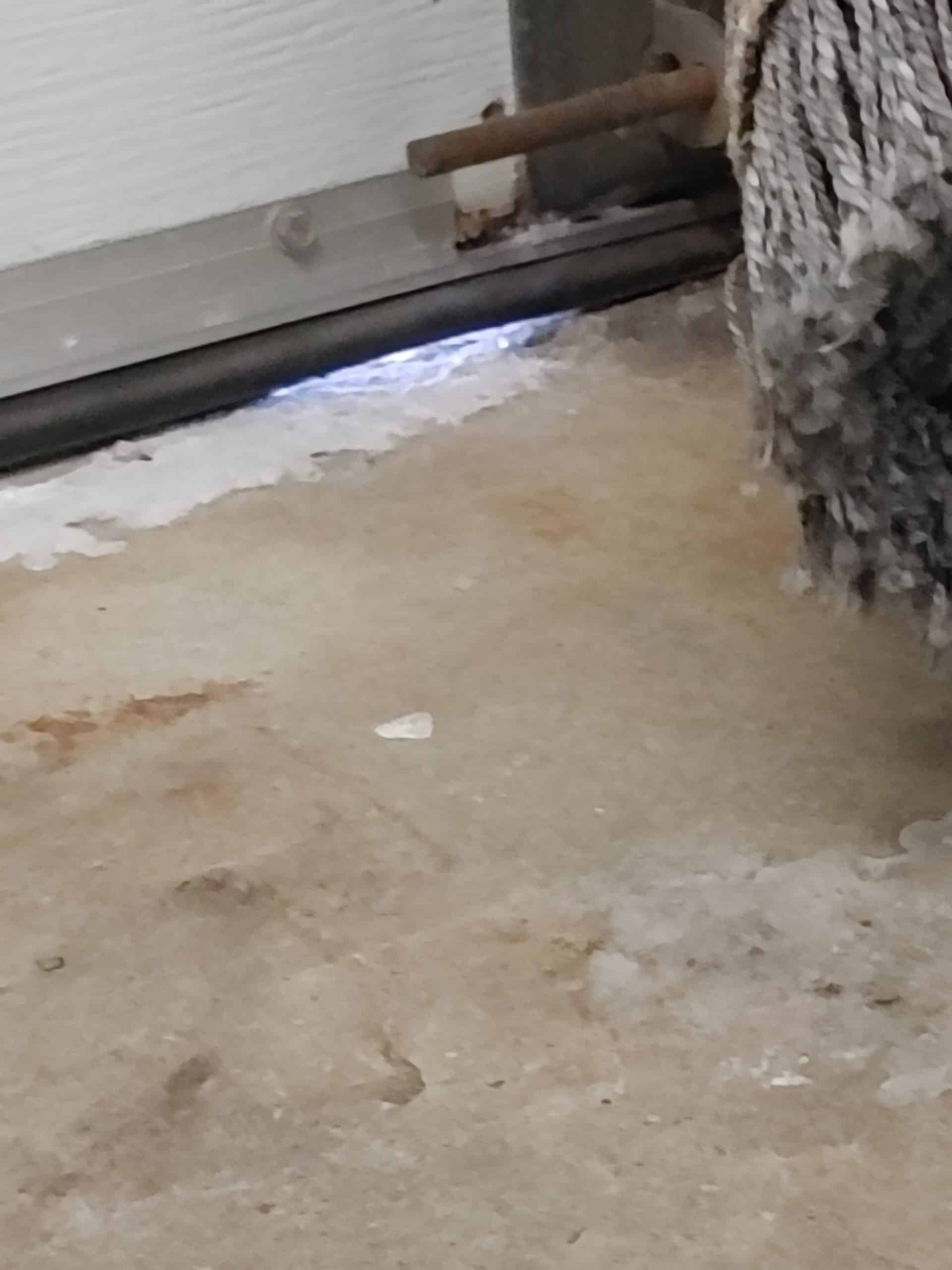
Replace worn rubber seals annually. Test by closing the door and looking for light gaps from inside. If you see light, mice see an entrance. Install quarter of inch mesh wire at the both corners of the garage door, because this is where they chew the most to enter inside.
Install a threshold seal if you have a gap between door bottom and concrete. Mice flatten their bodies and squeeze under gaps as small as 12mm.
Roof Line and Attic Access
- Install 6mm hardware cloth over all attic vents
- Check chimney caps annually—replace if damaged or missing
- Trim tree branches so they’re at least 2 meters from roof line
- Replace damaged soffit panels immediately
- Caulk between the walls and the soffit
- Secure fascia boards—mice enter through gaps where boards meet
Interior Protection: Removing Attractions
Exterior barriers fail if interior attractions are strong enough. Mice can detect food from 10 meters away.
Kitchen and Food Storage
- Store all dry goods in glass, metal, or heavy plastic containers—mice chew through cardboard, thin plastic, and paper
- Clean up crumbs and spills immediately
- Don’t leave pet food out overnight
- Take garbage out nightly or use metal bins with tight lids
- Check under appliances monthly—crumbs collect where you don’t see them
Basement and Storage Areas
- Replace cardboard storage boxes with plastic bins with locking lids
- Keep stored items off floor on metal shelving
- Don’t store paper products, fabric, or insulation where mice can access them—they use these for nesting
- Check stored seasonal items before bringing them into living spaces
Garage Organization
- Store birdseed, grass seed, and pet food in strong plastic or metal containers
- Hang items on walls rather than stacking on floor
- Don’t store recyclables in garage overnight
- Keep garage doors shut closed—even during the day when you’re home
Sanitation: Breaking the Attraction Cycle
Mice need three things: food, water, and shelter. Remove them, and your home becomes less attractive.
- Fix leaking pipes and faucets—mice need water sources
- Clean behind and under appliances quarterly
- Vacuum regularly, especially along baseboards where crumbs collect
- Don’t leave dishes in sink overnight
- Store compost bins at least 10 meters from house
- Clean up fallen fruit from trees immediately
- Remove pet waste from yard regularly—it attracts insects, which attract mice
Why Mice Keep Coming Back (And How to Stop the Cycle)
Many Burlington homeowners get very frustrated. They had pest control service, the mice disappeared, but three months later mice are back. Here’s what happened.
The Missing Steps Most People Skip
Successful mouse control requires three steps, in order:
- Remove existing micethrough trapping or baiting
- Seal all outside entry pointswith materials mice cannot breach
- Eliminate attractionsthat drew mice in the first place to come
Most people only do step one. They trap the mice currently inside. But they don’t seal the holes those mice used, and they don’t change the conditions that made their home attractive.
Result: New mice move in within days or weeks.
Why “One-Time” Treatment Doesn’t Work?
Mice living outside near your property will fill any vacancy quickly. They’re not waiting for an invitation—they’re constantly exploring where to invade.
Properties near Burlington’s green spaces face constant pressure from outdoor populations. Mice live in:
- Parks and conservation areas
- Ravines and creek beds
- Brush piles and overgrown vegetation
- Storm sewers and drainage systems
- Commercial dumpster areas
- Neighboring properties
They detect warmth and food scents from 10+ meters away. Your home radiates heat in winter—mice sense that thermal signature and investigate.
If entry points remain unsealed, new mice will find them just as previous mice did. The holes don’t disappear after you remove the current residents. Seal Them!
The Breeding Reality
One pair of mice can produce 5-10 babies every 21 days. Those babies reach breeding age in 6 weeks.
Timeline example:
- October: 2 mice enter your home
- November: First litter of 6 babies born
- December: Second litter of 8 babies, first litter reaches maturity
- January: Original pair + mature first litter now breeding = 8 adult mice
- February: Population exceeds 30 mice
- March: Population can exceed 60+ mice
This is why spring inspections are critical even if you had fall service. Mice you didn’t know about in November have multiplied by March.
Breaking the Cycle Permanently
Success requires addressing all three factors mice need:
- Access:Seal every entry point larger than 6mm using materials mice cannot chew (steel wool, cement, metal flashing)
- Food:Store all food in sealed containers, clean regularly, eliminate crumbs
- Shelter:Remove clutter, organize storage, eliminate any nesting materials
Remove access, and mice can’t get in. Remove food, and your home isn’t worth the effort. Remove shelter, and they can’t establish populations even if they breach barriers.
This is why quarterly service works when one-time treatment doesn’t. Regular inspections catch new entry points before mice exploit them. Monitoring ensures barriers remain intact through seasonal changes.
Burlington Seasonal Mouse Behavior Calendar
Understanding when mice are most active helps you time prevention efforts for maximum effect.
September-November: Fall Migration Season
What’s happening: Outdoor temperatures drop, food sources diminish, mice actively seek winter shelter.
Mouse behavior: Aggressive exploration of structures, testing all potential entry points, establishing overwintering sites to reside.
What you should do:
- Schedule professional inspection by late September
- Seal all identified entry points before October
- Remove outdoor attractants (fallen fruit, bird seed, compost)
- Test all door seals and weather-stripping
- Clean garages and basements thoroughly
Why timing matters: Seal before mice enter, and you prevent the problem. Seal after they’re inside and you trap them in your walls where they’ll die, smell, and attract other pests. Regardless, you must call an exterminator to treat inside.
December-February: Indoor Activity Peak
What’s happening: Mice that gained entry are now established, breeding, and expanding throughout your home.
Mouse behavior: Less exploration, more nesting. Pregnant females become aggressive about securing safe nesting sites. Chewing increases as mice maintain their teeth checked and access new areas.
What you should do:
- Listen for scratching sounds, especially at night
- Check for droppings in attic, kitchen, pantry, and basement
- Inspect attic and storage areas for nesting material
- Call the professionals immediately if you see evidence—populations double every 3 weeks
Weather note: Lake-effect snow and extreme cold drive even more mice to seek indoor shelter. Burlington homes near the lake see increased activity during cold snaps.
March-April: Spring Breeding Surge
What’s happening: Indoor populations that survived winter are breeding rapidly. Outdoor populations emerge from protected areas.
Mouse behavior: Maximum breeding activity. Females can produce litters every 21 days. Young mice from fall/winter litters reach breeding age.
What you should do:
- Schedule spring inspection even if you had no winter activity
- Check all seals installed in fall—freeze-thaw cycles may have damaged them
- Inspect property perimeter for winter storm damage
- Clean and organize storage areas to eliminate hidden nesting sites
Why this matters: Spring breeding creates summer outdoor populations that will try to re-enter your home next fall. Break the cycle now, or face worse problems in October.
May-August: Outdoor Activity Period
What’s happening: Mice prefer outdoor living when weather permits. They’re reproducing, expanding territory, and mapping food sources.
Mouse behavior: Less pressure on indoor spaces, but mice are exploring and remember entry points. Young mice from spring litters are learning territory.
What you should do:
- Maintain exterior barriers—don’t get complacent
- Monitor for any signs of indoor activity (means barriers have failed)
- Keep vegetation trimmed away from house
- Check garage door seals during summer heat—rubber degrades faster in sun exposure
- Schedule mid-summer pest control inspection if your property is near green spaces
Prevention advantage: Summer repairs are easier and more effective. Materials seal better in warm, dry conditions than during fall rain or harsh winter freezing.
Signs You Need Immediate Service (Don’t Wait for Scheduled Appointment)
Between regular inspections, watch for these warning signs. If you see any, call for mice control service immediately; don’t wait for your next scheduled visit.
Sounds
- Night scratching or scurrying in walls
- Squeaking or chirping sounds in attic or basement
- Chewing or gnawing noises behind appliances
- Rustling sounds in kitchen cabinets or pantry
Visual Evidence
- Droppings dark, rice-sized pellets near food area or along baseboards
- Gnaw marks on food packaging, wood, wires, or plastic
- Greasy rub marks along walls where mice travel repeatedly
- Shredded paper, fabric, or insulation (nesting material)
- Tracks or tail marks in dusty areas
- Small holes chewed through drywall or the baseboards
Odor
- Musty or ammonia-like smell in enclosed spaces
- Strong odor in specific wall cavities (dead mouse)
- Urine smell in storage areas or along mouse pathways
Pet Behavior Changes
- Cat or dog suddenly fixated on specific walls or areas
- Pets pawing at baseboards or under appliances
- Unusual sudden alertness at night
Why immediate action matters: What looks like one or two mice are usually more. You see 1-2 because they’re getting bold due to population pressure. The actual population is likely 5-10 times what you observe.
Mice hide during the day and forage at night. If you see one during daylight, it means:
- Population density is high enough to force daytime activity
- Competition for food is intense
- Your home has a serious infestation
One mouse you see during the day often indicates 30+ mice you don’t see.
DIY vs. Professional Service: What Homeowners Need to Know

You can handle mouse control yourself if:
- You’ve seen only one mouse, one time
- You know exactly where it entered from
- The entry point is accessible and easy to block seal
- You’ve caught or removed the mouse within 48 hours
- No evidence of nesting or multiple mice exists seen
DIY success requires thoroughness. You must find and seal every entry point, not just the obvious ones to make it successful in preventing them from keep entering again.
Why Most DIY Attempts Fail
The average home has 15-30 potential mouse entry points. Most homeowners find 2-3 of them.
Common mistakes:
- Using wrong materials: Regular expanding foam, steel wool alone, or caulk fail quickly, mice can chew through them easily
- Missing hidden entry points: Behind dryer vents, under deck stairs, in rim joists, around utility penetrations
- Incomplete sealing: Sealing exterior but not interior access points, or vice versa, especially in townhomes, condo and attached places
- Trapping without sealing: Removing current mice but leaving entry points open for new ones to come inside nonstop since they follow the trail
- Ignoring population size: Thinking you have “a mouse” when you actually have much more
When to Call Professionals
Professional service is necessary when:
- You’ve seen multiple mice or evidence in multiple rooms
- You hear activity in walls or bedroom ceilings
- You can’t locate entry points on your own
- DIY attempts haven’t stopped the problem at all
- You find nesting material or large amounts of droppings inside
- Mice keep returning despite your nonstop trying efforts
- You have health concerns about exposure to mice or droppings
Real Cost Comparison
DIY Approach
- Traps and bait: $30-100
- Sealing materials: $40-175
- Detection equipment: $50-199
- Cleaning supplies: $30-75
- Time investment: 10-20 hours learning, inspecting, treating
- Success rate if entry points are missed: Re-infestation within 2-8 weeks
Total DIY cost: $120-375 + significant time investment, with 60-70% chance of failure if you’re not experienced in mice control problem
Professional Service
- Initial inspection and treatment: $300-600
- Follow-up visit if needed: $150-300
- Quarterly prevention program: $799-1200/year
- Time investment: 2-3 hours for your involvement (being present during service)
- Success rate: 97%+ when homeowner follows prevention recommendations
Cost of Inaction
What happens if you don’t address mice problems adequately?
- Electrical fire from chewed wiring: $5,000-50,000+ damage, insurance deductible $1,000-2,500
- HVAC contamination cleanup: $400-800
- Attic insulation replacement: $1,500-3,000
- Wall opening and repair for dead mouse removal: $300-600 per occurrence
- Health issues from exposure to droppings: Medical costs vary
- Property value impact if infestation becomes known: Can affect home sale
Note: Prevention costs less than repair. Always.
What Professionals Do That Most Homeowners Can’t
- Complete inspection:Professionals check 40+ common vulnerability points using equipment like thermal cameras and special borescopes
- Experience-based detection:They’ve seen thousands of mouse entries and know where to look based on your home age, construction, and location
- Professional-grade materials:Access to sealants and barriers that aren’t available at retail stores
- Proper sealing techniques:Knowledge of which materials work for which applications
- Safety protocols:Proper handling of contaminated areas, dead mice, and cleaning procedures
- Guaranteed results:Most services warranty their work, if mice return within the guarantee period, they return at no cost service
Burlington Neighborhood-Specific Considerations
Mouse pressure varies significantly across Burlington based on geography, housing age, and proximity to natural areas.
Higher Risk Areas (Recommend Quarterly Service)
Aldershot and Waterdown Road Area
Proximity to Grindstone Creek, LaSalle Park, and industrial areas creates year-round mouse activity. Older homes in this area often have stone foundations with multiple entry points.
Freeman and Tyandaga
Properties backing onto ravines, creek beds, and wooded lots face constant pressure from outdoor populations. Heavy tree cover provides protected mouse habitat right up to property lines.
Downtown Burlington (Old Lakeshore Road)
Older homes (1920s-1960s construction) have settling foundations, aging sewer connections, and multiple renovations that created hidden entry points. Proximity to restaurants and retail attracts mice to the area.
Brant Hills and Orchard
Established neighborhoods with mature trees and landscaping. Older homes need more frequent inspection as foundation settling creates new cracks annually.
Properties Near Escarpment Access Points
Homes within 500 meters of Bruce Trail access, conservation areas, or escarpment parks see elevated mouse activity. The escarpment itself provides ideal mouse habitat.
Moderate Risk Areas (Twice-Yearly Service Usually Sufficient)
Palmer and Mountainside
Newer construction (1990s-2000s) with better initial sealing. However, proximity to escarpment means outdoor populations are present. Maintenance prevents problems.
Upper Burlington (Appleby Line Area)
Mix of older and newer homes. Properties near natural areas need more attention; those in developed subdivisions with regular maintenance typically do well with bi-annual service.
Roseland and Shoreacres
Lakefront areas with mixed-age housing. Lake Ontario moderates temperatures, which can extend mouse activity season. Regular service help prevents issues.
Commercial Corridor Considerations
Homes within 200 meters of commercial food establishments need extra attention. Restaurant dumpsters, grocery stores, and food retail attract large mouse populations. These mice spread into nearby residential areas in time.
Areas of concern:
- Plains Road commercial corridor
- Guelph Line retail areas
- Appleby Line shopping districts
- Downtown business district
Your Seasonal Pest Control Schedule
Minimum Protection Plan (Twice Yearly)
October/November:
- Complete exterior and interior inspection
- Seal all identified entry points
- Install or replace garage door seals
- Check and repair roof line vulnerabilities
- Place monitoring stations in most needed key areas
March/April:
- Inspect for winter damage to seals and barriers
- Check for breeding activity
- Clean and sanitize contaminated areas
- Update monitoring stations
- Assess and repair any new entry points
Recommended Protection Plan (Quarterly)
January/February:
- Mid-winter monitoring
- Check trap stations
- Listen for wall activity
- Verify barrier integrity
April/May:
- Spring breeding season inspection
- Foundation crack assessment after freeze-thaw
- Comprehensive sealing refresh
- Nesting site elimination
July/August:
- Summer maintenance check
- Verify door and window seals
- Trim vegetation
- Clean gutters and drainage areas
October/November:
- Pre-winter comprehensive inspection
- Full perimeter sealing
- Interior vulnerability check
- Monitoring station placement
Active Problem Plan (Monthly for 3-6 Months)
For properties with current infestations or recurring problems:
- Monthly inspection and monitoring
- Progressive sealing as entry points are identified
- Population reduction through trapping/baiting
- Sanitation and exclusion improvements
- Transition to quarterly maintenance once clear for 2 consecutive months
Questions to Ask Your Pest Control Provider
Not all pest control services are equal. Ask these questions before hiring:
About Their Inspection Process
- “How long does your inspection take?” (Less than 10 minutes is probably inadequate)
- “What specific areas do you check?” (Should list 20+ specific locations)
- “Do you provide a written report with photos?”
- “What equipment do you use to find hidden entry points?”
About Materials and Methods
- “What materials do you use for sealing?” (Should mention steel wool, cement, metal flashing not just foam)
- “How do you prevent mice from chewing through seals?”
- “Do you handle both removal and prevention?”
- “What’s your approach to contaminated areas?”
About Follow-Up and Guarantees
- “What’s included in your guarantee?”
- “How long is the warranty period?”
- “What happens if mice return during the guarantee?”
- “Do you offer follow-up inspections?”
About Experience
- “How long have you been serving Burlington?”
- “Are you familiar with [your specific neighborhood]?”
- “What percentage of your calls are mouse-related?”
Quality service costs more initially but saves money long-term through effective prevention.
Take Action Before Winter
Burlington’s next cold snap will send mice looking for shelter. Whether they find it in your home depends on decisions you make today.
Most homeowners wait until they see droppings or hear scratching. By then, you’re dealing with an active infestation that’s harder and more expensive to eliminate. You’re also risking property damage, health hazards, and the stress of knowing mice are living in your walls.
Prevention is simpler. A professional inspection finds entry points you’d never spot. Sealing those gaps before mice discover them stops problems before they start.
The cost difference between prevention and reaction is substantial:
- Preventive inspection and sealing: $300-2,500 (depends on the house size)
- Active infestation treatment: $599-1,500+
- Property damage repair: $1,000-10,000+
More importantly, proper prevention gives you peace of mind. You don’t lie awake at night hearing scratching sounds. You don’t worry about what’s contaminating your kitchen and food storage areas. You don’t deal with the unpleasant job of dead mice smell behind your walls.
You just live in your home, confident it’s protected by the certified professionals.
Maximum Pest Control Service provides comprehensive mouse inspection, prevention, and treatment throughout Oakville, Hamilton, Mississauga and Burlington, including; Aldershot, Freeman, Brant Hills, Tyandaga, Orchard, and all surrounding areas. Our insured and bonded certified technicians know Burlington neighborhoods, understand local mouse behavior patterns, and use proven methods that work in Canadian climate.
Call today for property assessment (905) 582-5502. Our trained exterminators will show you exactly where they could enter your home and what it takes to stop them. No pressure, no sales pitch just honest professional evaluation and clear solutions to help solve the problem quickly and correctly.
Don’t wait until you hear scratching sounds. Schedule your inspection now, before mice start their migration.