
Mice Entry Points and Prevention for Southern Ontario Homes
Mice enter homes through three main access points, commonly known as mice entry points: 1-Garage door gaps, 2-Foundation cracks as small as a dime, 3-Attic openings near vents or roof-lines. They seek warmth and food during cold months. You can stop them by sealing gaps with steel wool and caulk, replacing worn weather-strips, and covering vents with metal mesh. Professional inspection catches entry points you might miss.
Many Southern Ontario homeowners hear scratching sounds inside walls or find mouse droppings in their kitchens and/or pantries. In many cases, mice will invade a home when temperatures drop because they want a warm place to stay during winter, as well as a food source. Here’s a rundown of different ways that mice typically enter homes:
How Mice Get Into Your House (And How to Stop Them)

Mice can squeeze through openings as small as a dime. If you’re hearing scratching sounds in your walls or finding droppings in your kitchen, they’ve already found a way in. The good news? Most entry points are predictable and fixable.
Where Mice Enter Your Home
Garage Doors: The #1 Entry Point
Mice will use gaps around the edges and left and right corners of a garage door that is not secured to the ground with an effective seal as their first choice of entry. If your garage door seal has worn out or been damaged, it may be very easy for mice to gain access to the inside of your garage.
Many garages are also used as access points to other areas within your home. Once mice are inside, they can then work their way through gaps in between the door frames and the unfinished walls or ceilings. They may build nests inside of cardboard boxes or insulation, and they will eventually continue into the kitchen or basement area of your home.
What You Should Do
Replace any worn garage door seals with high-quality, rubber weather-strips, and install a rodent-proof threshold if there are significant gaps. Store items in bin units or for multiple levels to maintain organization, and avoid using piles of paper and towels.
Foundation Cracks: Easy Access Below Ground Level
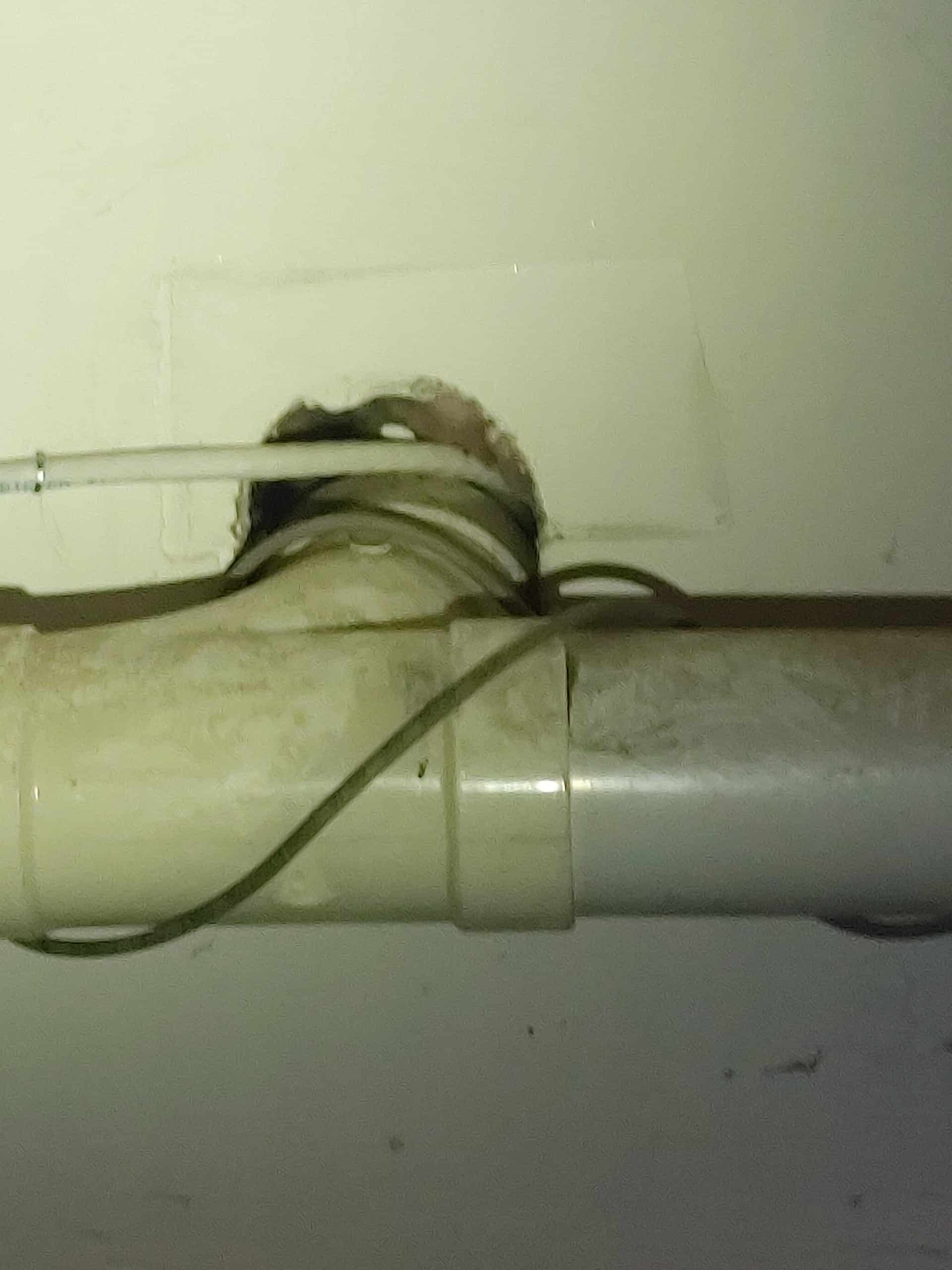
In more established neighborhoods, such as Hamilton plus several areas of Oakville, soil movements and temperature variations cause concrete foundations to develop small holes/crevices throughout the foundation. While these holes/crevices may appear small in size, they provide ample room for mice to enter your property through these openings that are no bigger than 1 inch (the size of a pencil) in diameter.
Most entry holes/crevices leading to the foundation begin very close to the ground and can be easily overlooked. Sources of such entry holes/crevices can often be located in the proximity of gas and/or water lines, roof top ventilation ducts, dryer exhausts, around fence post bases, and even behind steps/decking.
Once mice get inside your home through an entry point into your basement they will typically make use of the vacant/empty wall cavity for protection from the elements along with the insulation and clutter found in this area of your home.
Signs to Watch For
- Check for cracks around the outside of your basement window frames and along the utility penetrations (i.e., pipes, wires, etc.) at the corners of the frames.
- Check the mortar joints of your foundation walls, siding, and trim boards for gaps/crevices that are located close to the ground.
- Check for any broken screens or unsecured fittings on the back side of your dryer/exhaust vent and furnace/exhaust vent pipes.
How to Seal Foundation Entry Points
- Use silicone caulking to seal any cracks or holes in your foundation.
- Use steel wool combined with expanding foam to seal any irregularly-shaped gaps that provide access to your foundation area.
- Install either a metal flashing or concrete patch over the area(s) that appear to be weak spots.
Attic Openings: The Hidden Access Route
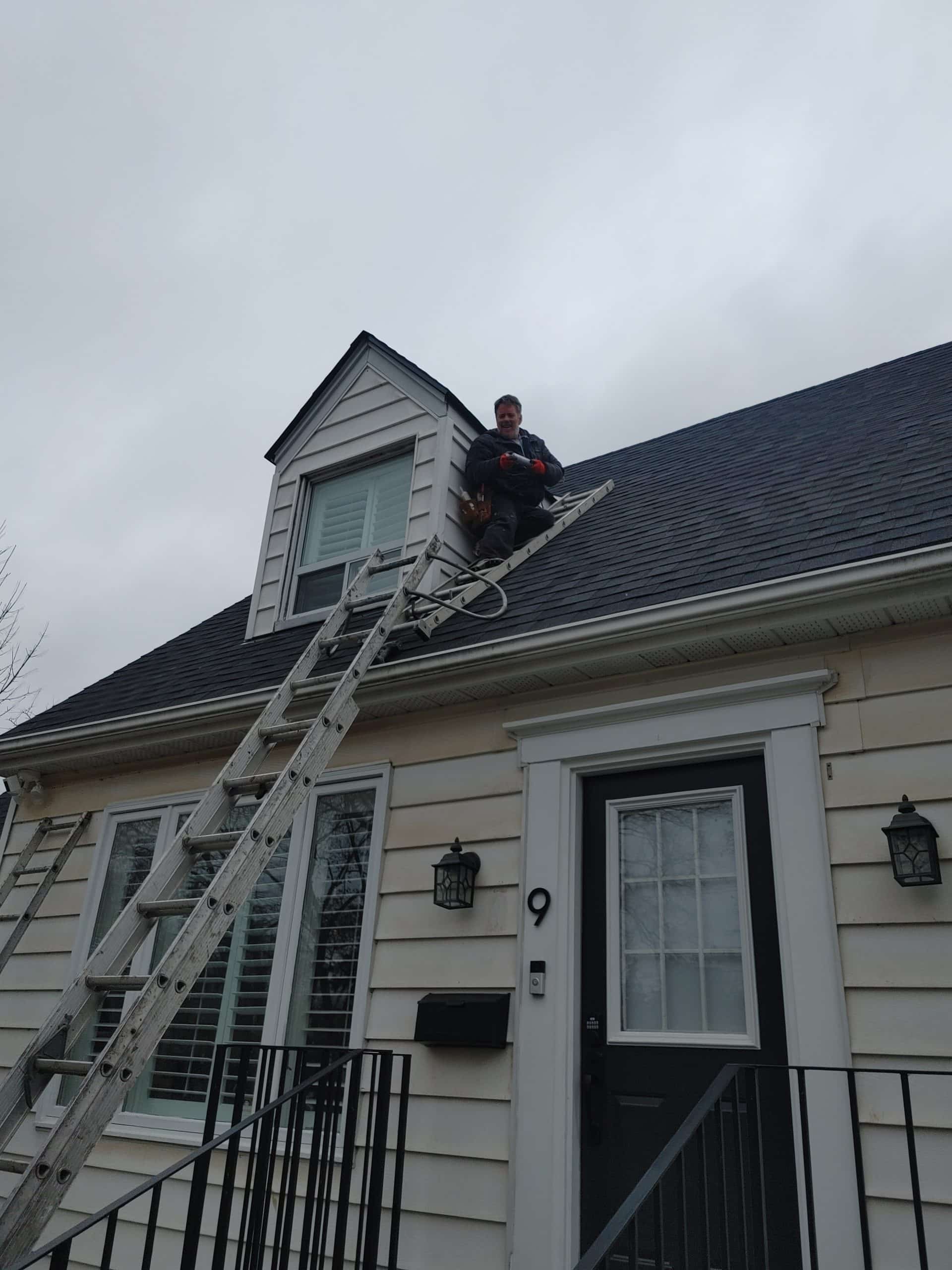
Many attics are warm, quiet areas that contain fluffy/soft insulation material making them an ideal area for mice to nest. Generally, mice have access to attics through the outside exterior wall of the structure and/or the utility (power, telephone, cable/internet, etc.) wires where they will use the outside walls of the building and/or tree branches hanging too low to climb up into the attic.
Common places for mice to enter attics include: roof ventilators, soffit/eaves vent openings, smokestacks/chimney openings, and/or openings/gaps between pieces of wood (fascia boards). Even though newer developments in Burlington or suburban Hamilton may use modern insulation, there can be issues due to quick construction methods or poorly sealed roof lines. Older homes also can have degraded attic vent covers and shifting roof tiles which will aggravate the problem.
Signs of Mouse Activity in Your Attic
- Sounds of scratching or squeaking in your ceiling, especially during the night
- Droppings and/or shredded insulation around attic hatches
- Gnawed vent screens or small openings near eaves or gutters
How to Block Attic Entry Points
- Cover attic vents with metal mesh.
- Replace or repair rotting wood around soffits or fascia.
- Trim back any tree branches that are touching or hanging over the roof.
Why You Can’t Ignore a Mouse Problem
If a mouse problem is allowed to go unchecked, a lot of serious damage can occur. Mice chew on wires, creating an increased risk of fire hazards due to electrical short circuits. The droppings and urine that mice produce contaminates stored food, creating a health hazard. Finally, mice breed so quickly that what could have started out as a minor problem may turn into a serious infestation in a matter of weeks.
When to Take Action
You should not have to wait until you see evidence of a mouse infestation before taking action.
Year-Round Prevention Checklist
- Weather-strip and seal your doors at least twice a year.
- Check the exterior of your home every season for cracks or holes.
- Be sure that any garbage or compost containers are tightly sealed and stored away from the house’s foundation.
- Store pet food and dry foods in glass or metal containers.
- Remove any debris, wood piles, or overgrown shrubbery from the foundation of your home.
Get Professional Help Before It’s Too Late

Many Southern Ontario homeowners hear scratching sounds inside walls or find mouse droppings in their kitchens and/or pantries. In many cases, mice will invade a home when temperatures drop because they want a warm place to stay during winter, as well as a food source.
Don’t wait until you see a trail of droppings across your kitchen floor or hear strange noises coming from your attic to take preventative measures. Regular inspection and maintenance will produce the best results. If you suspect you do have a problem or don’t know how to get started, contact a pest control expert for help.
Maximum Pest Control Services
Maximum Pest Control Services Serves; Hamilton, Oakville, Burlington, and Surrounding Southern Ontario communities. Call Maximum insured and bonded exterminators today (905) 582-5502 for inspection and protect your home before mice move in.
Frequently Asked Questions About Mice Entry Points
Where are the most common mice entry points in a house?
Mice enter homes through small openings around garage doors, foundation cracks, and attic vents near the roof-line. Even gaps the size of a dime are enough for them to get inside. These areas are the main routes mice use when searching for warmth and food during colder months.
What is the best way to block mice from getting into my home?
Seal gaps with steel wool and caulking, replace worn door weather-strips, and cover vents with metal mesh. Keeping food stored securely and removing debris around your foundation helps stop mice from returning. A professional inspection can find hidden entry points that are easy to miss.