
Rodents in Walls and Attics: New Warning Signs Homeowners Are Searching for Online
Answer: Foul odors, scratching sounds, droppings, and damage to your home’s insulation and electrical wires are all signs that rodents may be infesting your home’s walls or attic. The earlier a homeowner notices these signs, the sooner the problem can be fixed, preventing the spread of the infestation and avoiding damage to the home’s structure and potential health risks. Understanding these rodents in walls and attic signs is crucial for prompt action.
What Should Homeowners Do If They Hear Scratching in the Attic?

For homeowners in Oakville, Burlington, Hamilton, Milton, and Mississauga, if there is scratching sound in the ceiling or walls, and this persists for a few nights, you might have rodents in the house. Scratching noises, mouse droppings, and strange smells are signs that there may be a mouse or rat nest in the walls or ceiling. Contacting a specialist is the only way to determine how the rodents are entering and to stop the infestation from growing.
Reasons Why Rodents Find Their Way into Your Attics and Walls
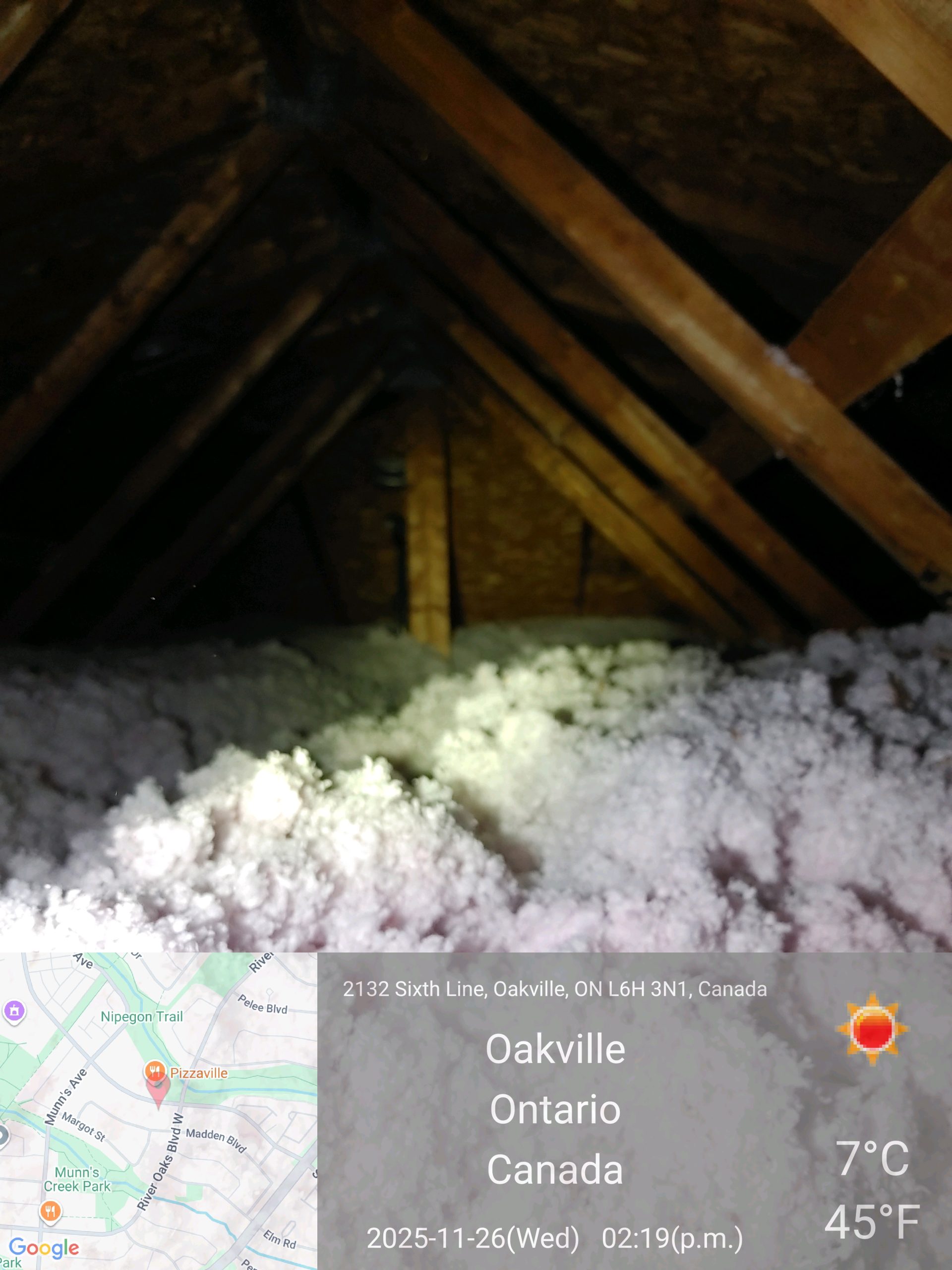
Rodents love to find warm, safe places to live and eat, and this is why they look for nesting sites and food in wall spaces and attics where it is easy to access and find shelter.
In many cases, they are seeking out areas that are safe from predators and will allow them to reproduce without disturbance.
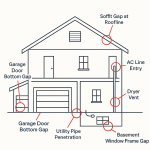
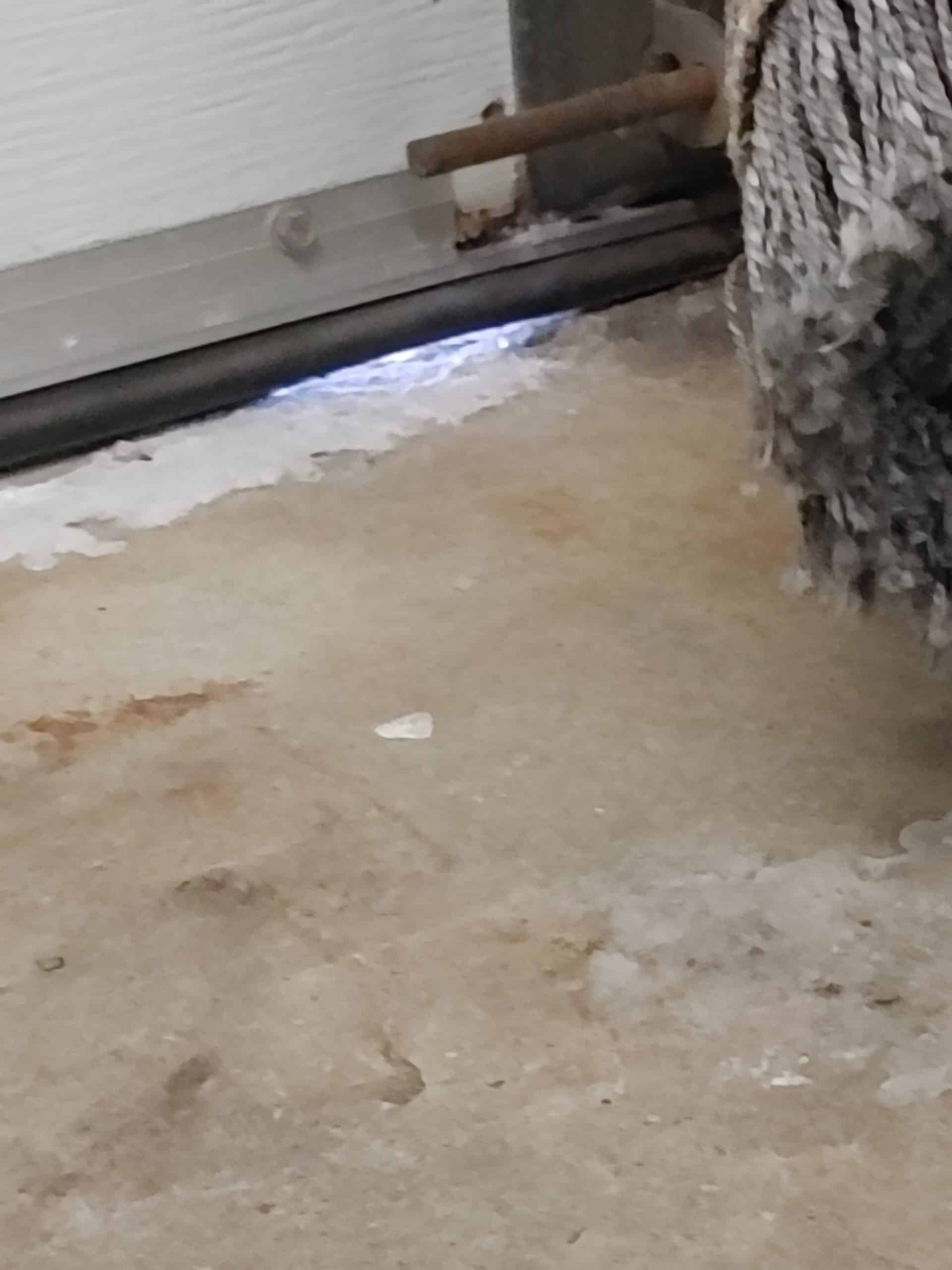
Rodents can easily fit through the small cracks around vent pipes, roof lines (corners), siding and utility lines.
Homeowners will typically notice the first signs of rodent activity around seasonal temperature shifts when the rodents begin to come indoors for shelter.
Detecting the First Signs of Rodent Infestation
People typically notice a rodent infestation by hearing noises or finding evidence of the rodent rather than seeing them.
Because they are primarily nocturnal, their activity will usually take place when the home is quiet, typically late at night.
Signs that may indicate early signs of a rodent infestation are:
- Sounds in walls or ceilings, such as scratching or scurrying
• Sounds made by light tapping or chewing
• Rodent droppings located near the baseboards or in the attics
• Greasy smudges on walls and floor edges
• Unpleasant, musky odors that accumulate in the enclosed spaces
The majority of these signs develop gradually. A homeowner may notice faint scratching sounds but eventually recognize they are repeated noises as time goes on.
Many local residents learned about their first interaction with rodents as they heard noises above their bed and inside the attic ceilings in the night.
Rodents will pass through the wall cavities or insulation in a home or office when looking for food and nesting material.
Common sounds of a rodent’s movement include:
- Scratching and/or scraping against wall panels (e.g. drywall)
• Light running or scurrying sounds emanating from different parts of your home
• The occasional thud as a rodent jumps from one beam to another
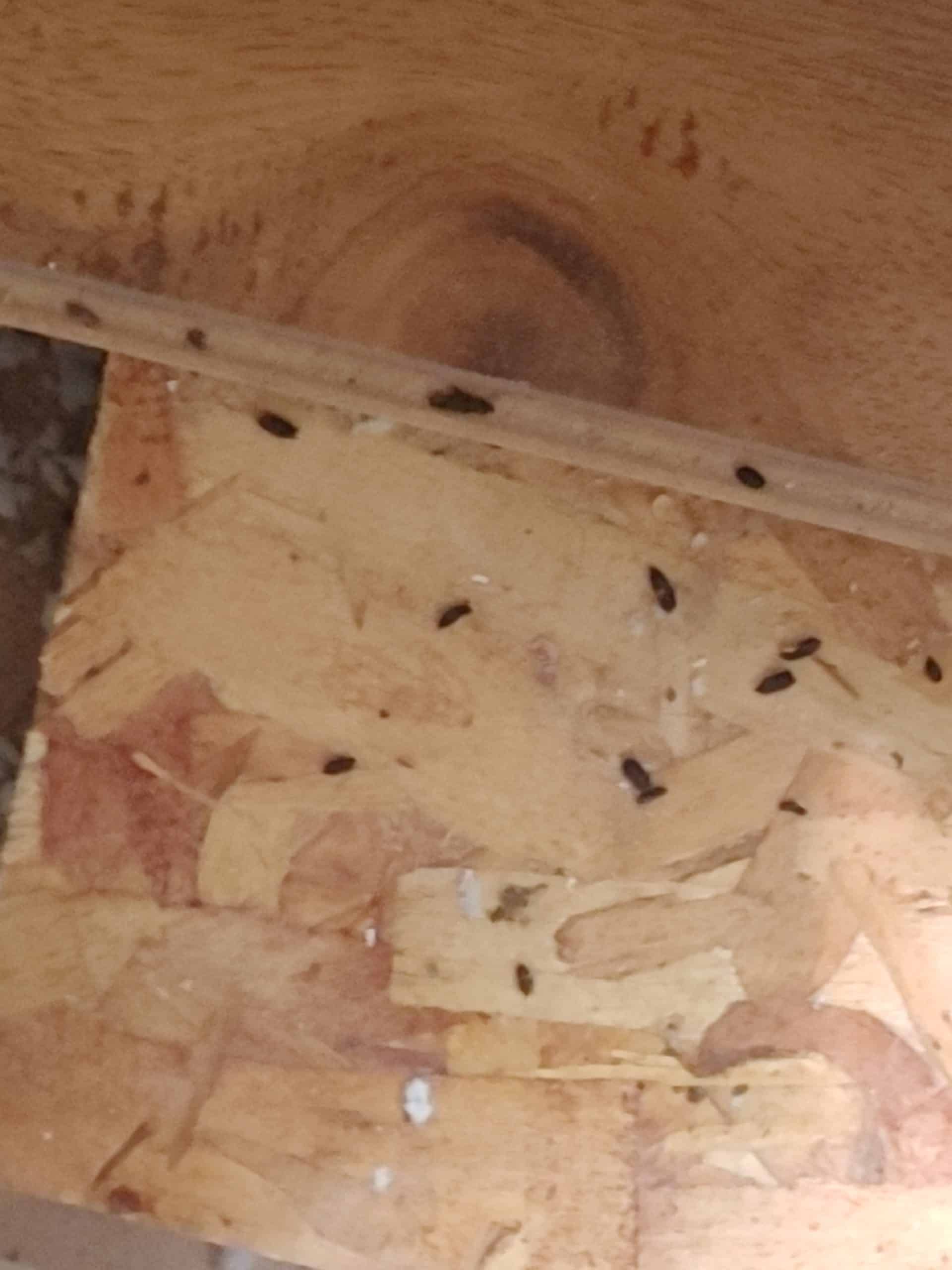
Physical signs of infestation are often found throughout your home, but rodent droppings are one of the best ways to determine whether or not you have an infestation.
Rodents tend to live along walls, in cupboards and close to where attics meet houses (the attic entrance). They tend to leave droppings (feces) that look like small, dark, round pellets.
You may notice droppings near your food storage once you have a rodent problem. You may find dropping in your attic’s insulation, as well as trails of the droppings on baseboards or under appliances.
While fresh droppings appear darker and slightly damp, the older droppings tend to dry out and turn gray.
Damage to Insulation & Wires
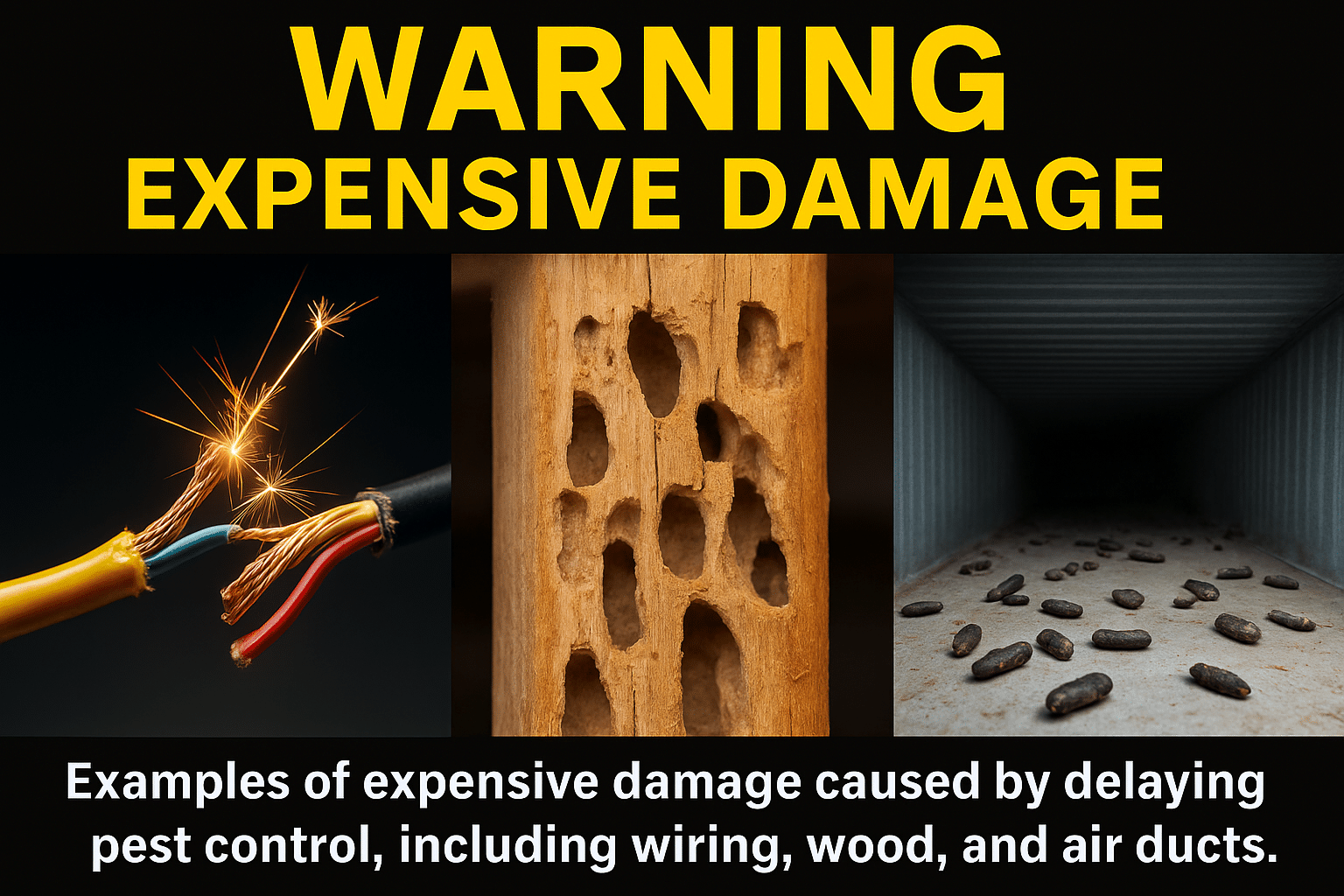
Rodents constantly gnaw on things so their teeth will not grow too long. This chewing habit can damage the structure of your attic and/or walls in your house.
Common damages done by chewing on insulation and wiring include the following:
- Broken cardboard boxes in your attic used as nests
• Broken electrical wires (the electrical wire can become exposed)
• Rotting wooden beams/drywall edges (because rodents chew through the edges of the beams)
Unusual Odor(s) in Your Attic
As rodents invade your attic, the odor they produce will get stronger as they get larger in number. The odor will remain there until the infestation stops.
The odors are the result of:
- Urine deposits left in areas where rodents build their nests
• A buildup of fecal matter over time
• The decomposition of rodents that have become trapped inside the walls of your home
As these odors accumulate in your home, they will slowly migrate into the upper levels, usually through the attic.
Homeowners living in Milton and Mississauga commonly report bad smells coming from the areas where they access their attic or closet space to the second or third floor of their home when a rodent is present.
Why Early Detection is Important
Rodent infestations do not remain small for any length of time. Mice breed quickly, so once you have a few, they will grow into a larger number in a brief period.
Early detection gives the homeowner an opportunity to avoid the following:
- Damage to the structure of the home
• Possible electrical hazards
• Food and surface contamination
• Large infestations that require extensive removal resources and time
Once rodents begin to establish nests within walls and attics, the removal of the rodents becomes more complicated and requires professional assistance.
In areas that are concentrated with people (Oakville and Burlington), homes located near public parks or in older areas often experience more frequent signs of rodent activity than homes that are not located near a park.
When to Contact a Professional Pest Control Company

If the scratch, droppings or odors are still evident after a few nights it may be that your home has already been infested without knowing. A home inspection visit can confirm whether an invasion is occurring, determine the points of entry and exit and the routes that the animal is using to gain access to your inside property.
Maximum pest control proud to serve the Rodent Inspection and Exclusion needs. Our goal is to quickly resolve your rodent issues. As a fully licensed, insured and bonded local pest control company we have the skills and trained knowledge required to effectively remove unwanted rodents from your home or business. With many years of field experience in the pest control industry, our certified Pest Technicians know exactly where rodents are most likely to enter homes and structures. Areas such as around roof lines, vents, holes in siding, openings in foundations and in and around all types of doors.
Early detection and exclusion is very important to help keep these unwanted rodents out of your insulation, away from your wiring and out of your wall cavities. In the very beginning of an issue, resolving a problem of rodents is usually simple and inexpensive. However, ignoring animal noises from walls, attics etc., is only going to make matters worse and more expensive. It’s best to get in contact with Maximum Team calling (905) 582-5502.
Frequently Asked Questions
How can I tell if I have rodents in my walls?
Inside of your walls or ceilings, you will typically hear scratching, scurrying, or lightly tapping their nails or feet. These sounds usually occur in the evening when mice and rats are most active.
Can rodents be found nesting in attic insulation?
Attics provide rodents shelter from the cold, so they tend to nest in attic insulation. These rodents may also pull apart attic insulation to use the material for their nests.
How do rodents access the attic?
Rodents can get inside of attics typically by crawling through small holes that are around the roof, via ventilation holes in the attic, spaces in the siding, or through openings that are created by running electrical or telephone wires. These small holes can be as small as a coin.
Are rodent infestations in walls dangerous?
Yes. Rodents can gnaw on electrical wires, contaminate the surfaces that you touch with their droppings, and are carriers of bacteria. Large infestations can damage the structure of the home.
If I hear a scratching noise in my attic, should I call pest control?
If you continue to hear scratching or movement noises for multiple nights, it is a good idea to get an inspection from a professional. Getting rid of the rodents as quickly as possible will help avoid larger infestations and further damage to your property.